
6 Best Bunion Treatments

It’s estimated that in the UK, among people aged 40 and over, bunions are common in over a quarter of adults. Prevalence rises with age especially after 50.
With so many cases of Hallux Valgus (bunion), knowing what the best bunion treatments are is vital information for those affected by the condition which can cause pain, swelling, difficulty fitting shoes and walking discomfort.
Here are the most effective evidence-based treatments, from least invasive to most advanced.
Note: It’s best to consult a specialist (e.g., a podiatrist or orthopaedic surgeon) to tailor treatment to your foot condition, health and lifestyle.
1. Correct Footwear
Wearing the right shoes is one of the most important steps in managing bunions because footwear directly affects the joint that’s already misaligned.
Here’s why it matters:
- Shoes can reduce pressure on the bunion – Bunions form where the big toe joint protrudes. Tight or narrow shoes push on that bump, causing increased pain, redness and swelling and skin irritation (corns/calluses). A wide toe box removes pressure from the bony prominence, providing relief to the area.
- Shoes influence toe alignment – Pointed or narrow shoes squeeze the toes together, pushing the big toe inward even more. This can speed up bunion progression, cause overlapping toes and create additional deformities (e.g., hammertoes). Properly shaped shoes allow your toes to lie flat and spread naturally, reducing pressure on the joint.
- Supportive shoes improve foot mechanics – Many bunions are related to flat feet, overpronation and weak arch support. Shoes with good arch support and a stable sole help keep the foot in better alignment, reduce strain on the big toe joint and slow further joint deviation.
- They help manage inflammation and pain – Poor-fitting footwear increases friction on the bunion. Better fitting shoes reduce inflammation, joint irritation and bursitis (painful swelling over the joint)
- The wrong shoes can worsen the deformity – Regular use of high heels, pointy shoes, tight shoes and shoes with shallow or narrow fronts – these types of footwear increases abnormal pressure and shifts weight to the front of the foot. Over time, this pushes the toe joint further out of alignment.
When it comes to choosing shoes that are suitable for bunions, you should stick to the following criteria:
- Shoes with a wide toe box and deep front so toes aren’t squeezed
- Avoid high heels, pointed toes, narrow shoes and anything that forces the big toe inward or puts pressure on the bunion bump
- Soft and stretchable upper which doesn’t restrict movement and allows changes in foot shape
- Good arch support with a stable heel counter (ideally with low height) – this improves the way your foot loads and moves, which directly reduces stress on the big-toe joint
Regularly check your shoes for fit, comfort and width, especially if your foot width has changed or swelling occurs.
2. Weight Management
Every extra pound of body weight increases the pressure on the front of your foot, especially the big-toe joint where the bunion forms. This pressure directly affects pain, inflammation and bunion progression.
Here are some major reasons why it’s important to keep your weight in a healthy range:
Your feet absorbs your full body weight with every step
When you're walking, the force going through your feet can reach 3-4 times your body weight. This means even a small weight increase puts significant extra pressure on the bunion area, leading to more pain, more swelling and faster progression of the bunion angle.
Excess pressure pushes the toe further out of alignment
The bunion deformity worsens when the big toe joint is overloaded, the arch collapses under pressure and the first metatarsal bone drifts outward. Extra body weight intensifies all of these forces, accelerating bunion development.
Weight gain increases pronation (foot rolling inward)
Heavier weight often leads to flattening of the arch, overpronation and instability in the big-toe joint. Since bunions are strongly linked with poor foot mechanics, this instability makes the bunion quickly worsen.
More pressure increases inflammation and pain
A bunion is not just a bone bump — it often includes joint inflammation, bursitis and irritation from rubbing in shoes. The extra weight increases friction and joint compression, causing more frequent flares, worse swelling and more painful walking.
Weight loss improves shoe fit and comfort
With less pressure on the front of the foot, shoes fit better, less rubbing occurs and you can tolerate more activity without pain. Even a small reduction (5-10% of body weight) often noticeably reduces foot pain.
3. Padding, Orthotics & Devices
There are a wide range of different orthotics and devices for the treatment and management of bunions.
The most popular ones include:
Bunion Pads/Protectors
A bunion pad (or bunion protector) is a small cushion made of gel or foam that sits over the bony bump on the side of the big-toe joint.
They can help to:
- Reduce pressure and friction from shoes rubbing against the bunion
- Decrease pain and irritation, especially during walking
- Prevent calluses or blisters forming over the bump
- Some designs also separate the toes slightly, helping reduce crowding
Many bunion pads have a slim profile, allowing them to be worn with shoes, making day-to-day movement much more comfortable.
Bunion Splints
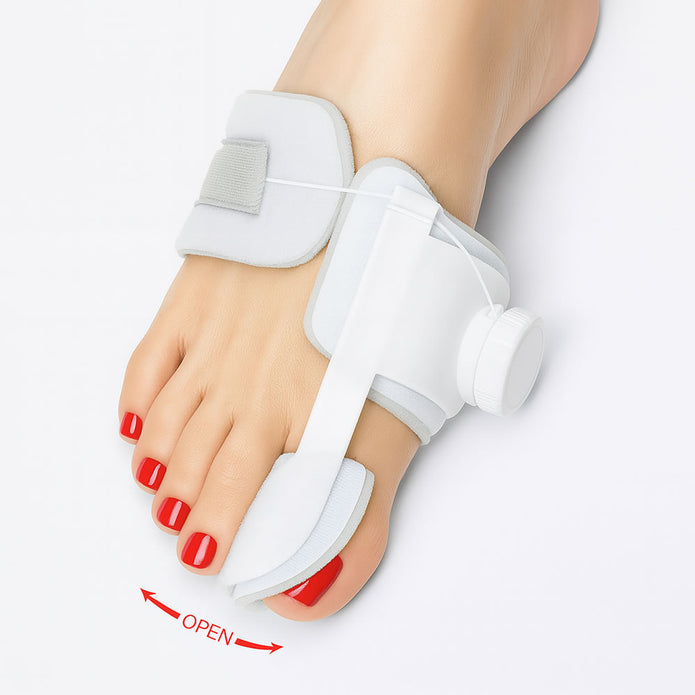
A bunion splint (sometimes referred to as a bunion corrector) is a device – usually made of soft straps, rigid plastic or flexible gel – that wraps around the big toe and foot to hold the toe in a straighter position.
They can help to:
- Keep the big toe aligned while you rest or sleep, reducing the inward drift
- Relieve tension on the big-toe joint
- Reduce pain, stiffness and inflammation around the bunion
- Help stretch tight soft tissues that contribute to the deformity
A splint doesn’t permanently correct a bunion but it can improve comfort, reduce night-time irritation and slow progression.
Our Bestselling Bunion Splints
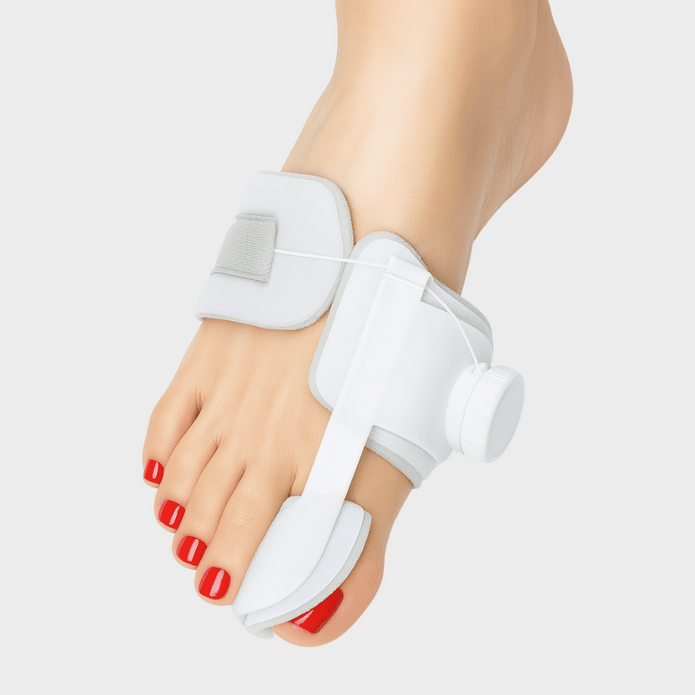
ActiveRestore Adjustable Bunion Corrector Splint
View Product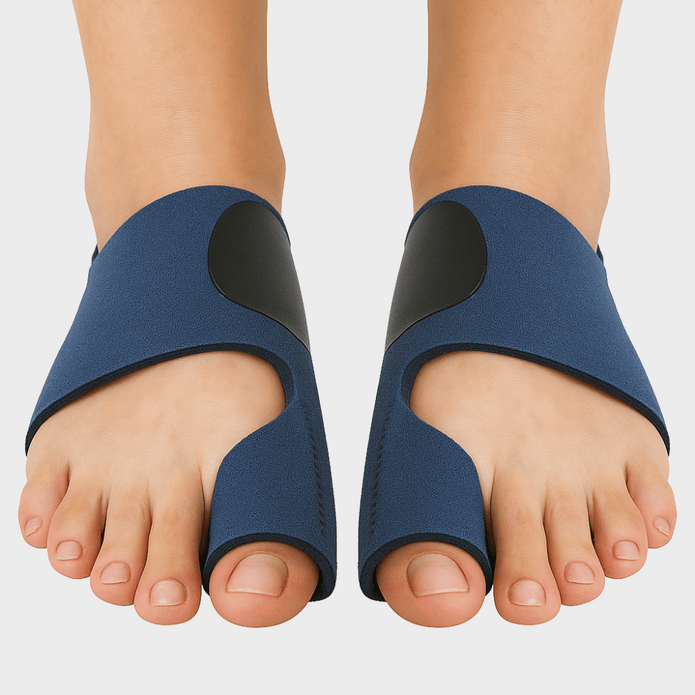
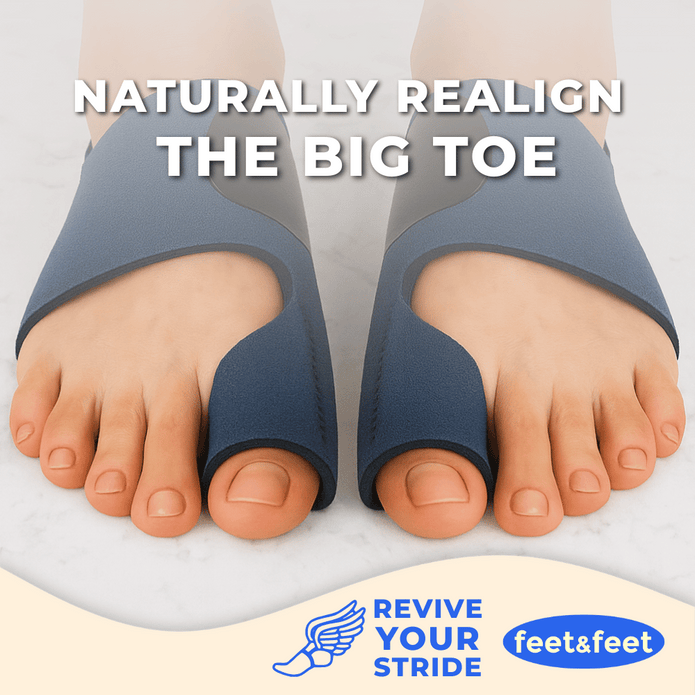
ActiveRestore Bunion Corrector Splints
View ProductToe Separators (aka. Spacers/Spreaders)
A toe separator (aka. toe spacer or spreader) is a small gel or foam device placed over the toes to keep them slightly apart. Some designs separate all the toes while others separate 2-3 toes.
There are toe separators designed specifically for bunions that fit between the big toe and second toe.
They can help to:
- Reduce toe crowding, preventing the big toe from pushing inward
- Decrease friction between the toes, lowering the risk of blisters or irritation
- Relieve pressure on the bunion joint by improving toe alignment
- Stretch tight tissues and promote a more natural toe position during walking or standing
Our Best Toe Separators for Bunions
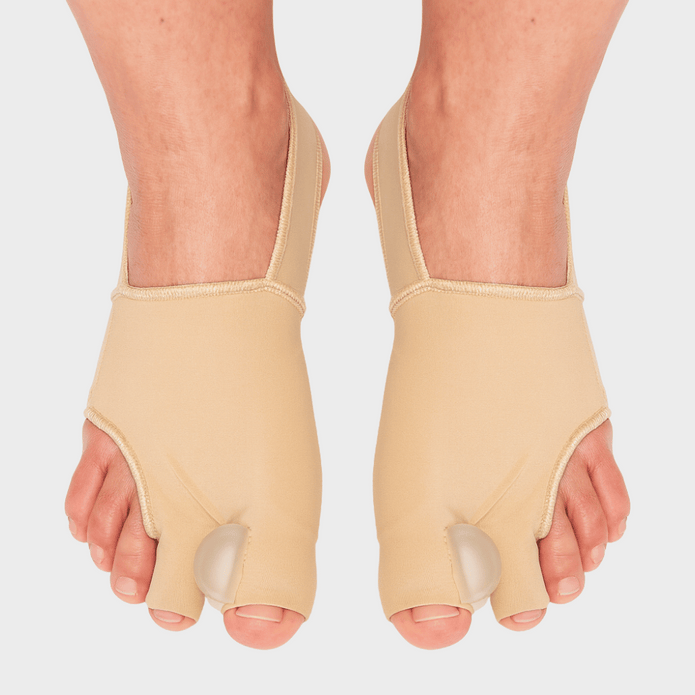
DuraFlex Bunion Sleeve Belt
View Product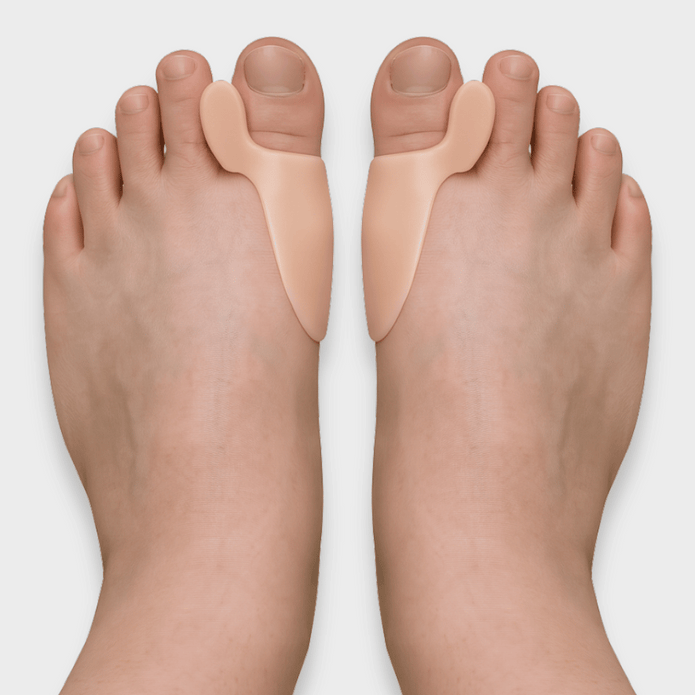
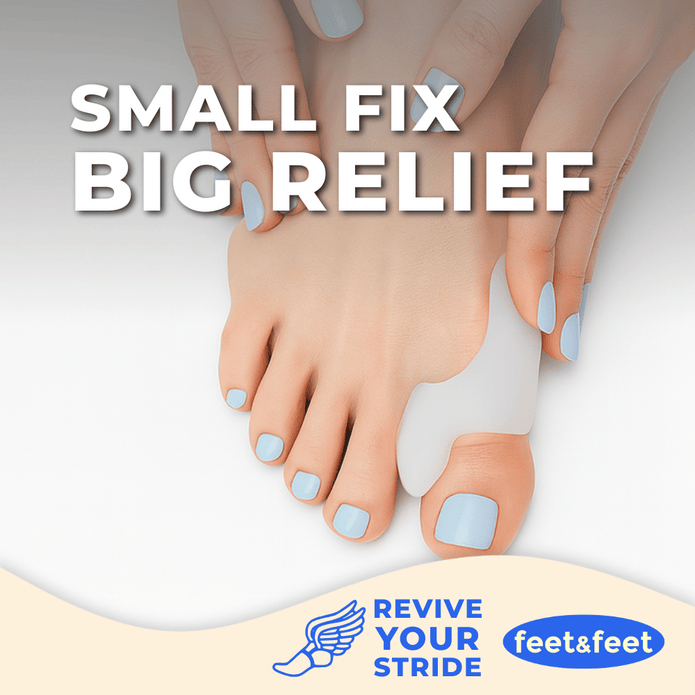
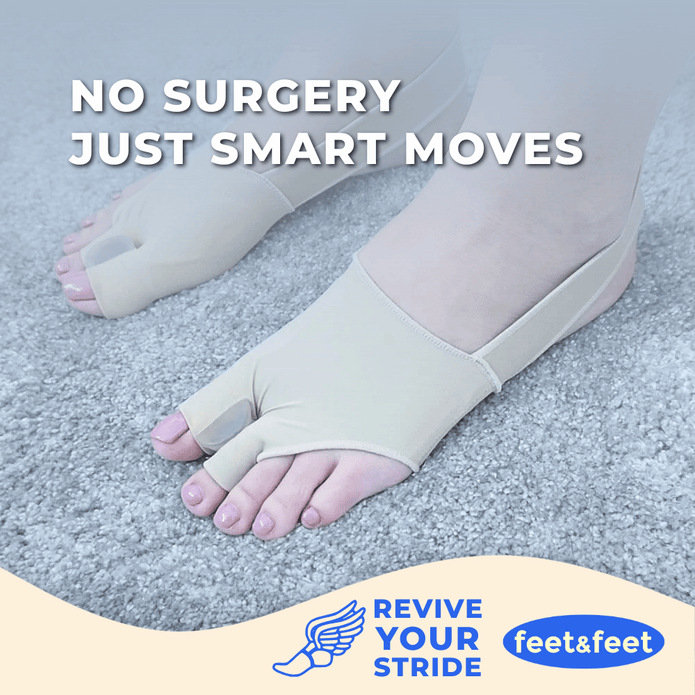
DuraFlex Gel Bunion Protectors
View ProductCustom Orthotics
A custom orthotic is a specially made insole designed to match the exact shape and mechanics of your foot. They may be recommended if you have additional foot mechanics issues like flat feet or an uneven arch.
They can help to:
- Support the arch, reducing overpronation which is a major contributor to bunion progression
- Improves foot alignment, taking stress off the big-toe joint
- Redistributes pressure across the foot so less load goes onto the bunion
- Stabilises the first metatarsal, helping prevent the bunion from worsening
- Can reduce pain in the bunion, arch, heel and even knees or hips by correcting faulty mechanics
A custom orthotics is issued through a structured clinical process carried out by a podiatrist, orthotist or sometimes a physiotherapist trained in foot biomechanics.
These products can significantly improve comfort and slow down its progression by controlling the underlying foot mechanics.
4. Pain & Inflammation Management
The following treatments are typically recommended by healthcare professionals to help relieve bunion pain and inflammation.
- NSAIDs – Over-the-counter pain relievers like ibuprofen can help when the joint is inflamed and painful.
- Ice Therapy – Applying ice for 10-20 minutes reduces swelling, inflammation and soreness around the bunion.
- Warm Foot Soaks – Warm water or Epsom salt soaks can ease stiffness and relax tight tissues around the toe joint.
- Rest and Activity Modification – Rest and reduce high-pressure activities when pain flares. Switching to lower-impact exercises can help, especially exercises/stretches that target the toes, foot muscles and calf – these can reduce joint tension and relieve discomfort.
- Related Conditions – Address any corns, calluses or bursitis around the bunion early on, as these can add to the discomfort.
5. Foot Exercises & Physical Therapy
Foot exercises and physical therapy help bunions by improving how the foot functions and reducing stress on the big-toe joint.
They can help to:
- Strengthen foot and toe muscles – Stronger intrinsic foot and toe muscles improve stability and help control the big toe’s position.
- Improve joint mobility – Stretching the big toe and surrounding tissues reduces stiffness and eases pressure on the bunion.
- Reduce overpronation – Exercises that target the arch and ankle improve alignment, lowering the forces that worsen bunions.
- Enhance gait mechanics – Physical therapy can correct faulty walking patterns that contribute to bunion progression.
-
Relieve pain – Better movement and less joint tension reduce daily discomfort.
A physical therapist or podiatrist can tailor an exercise plan especially if you’re active or the bunion affects your gait.
6. Minimally-Invasive and Surgical Options
Surgery is not just for appearance – it’s typically considered when pain, functional limitation or shoe fitting issues persist after conservative treatment.
Here’s a brief explanation of the main surgical options for bunions:
- Osteotomy (most common) – The surgeon cuts and realigns the big-toe bone to straighten the toe. Small screws or pins hold the bone in place. Used for mild-moderate bunions.
- Arthrodesis (joint fusion) – The damaged big-toe joint is removed and the bones are fused together. This is used for severe bunions or when arthritis is present.
- Exostectomy (bump removal) – The bony bump is shaved off. This alone doesn’t correct alignment, so it’s usually combined with an osteotomy.
- Minimally invasive bunion surgery (MIA/MIS) – Small incisions and specialised instruments are used to realign bones with less tissue disruption. This type of surgery often results in faster recovery.
- Lapidus procedure – A fusion of the first metatarsal joint at the midfoot to fix instability that caused the bunion. This procedure is best for severe deformities or hypermobility.
Surgery aims to straighten the toe, realign bones and reduce pain when conservative treatments aren’t enough.
If you choose surgery, you still need good footwear, device support, weight management and exercises to maintain healthy and long-term alignment.
When to Seek Specialist Care
Many bunions can be managed long-term without surgery, especially if caught early and supported with the above strategies.
However, if you experience:
- Persistent or worsening pain despite using wide shoes and orthotics
- Loss of mobility in the big toe joint
- Difficulty walking, wearing shoes or significant impact on daily life
- Complications like significant arthritis in the joint or other toe deformities resulting from the bunion
Then it’s advisable to see a specialist. Ask for an assessment by a podiatrist or orthopaedic foot & ankle surgeon. They may take X-rays to see joint alignment and plan accordingly.


Leave a comment