Skip to content

Sports Insoles

Sports insoles add cushioning, support and stability inside trainers and athletic footwear, helping improve comfort during running, gym sessions, walking and other activities. Our collection includes shock-absorbing, arch-support and structured orthotic designs for different sports and support needs.

  • SoleRelief Flat Feet Insoles

    Original price £14.99 - Original price £14.99
    Original price
    £14.99
    £14.99 - £14.99
    Current price £14.99

    Provides optimal heel and arch support Relieves foot aches and pain by incorporating a lifted arch and cushioned heel cup Absorbs shocks and impac...

    View full details
  • SoleRelief Flat Feet Half Insoles

    Original price £12.99 - Original price £12.99
    Original price
    £12.99
    £12.99 - £12.99
    Current price £12.99

    Provides optimal support for the heel and arch to relieve foot aches and pain Ergonomic arch support (2.5cm high) Deep heel cup ensures stability ...

    View full details
  • UltraSupport Plantar Fasciitis Insoles

    Original price £24.99 - Original price £24.99
    Original price
    £24.99
    £24.99 - £24.99
    Current price £24.99

    Provides maximum heel and arch support to relieve plantar fasciitis, flat feet and high arches Solid frame surrounding the heel and arch region fo...

    View full details
  • ComfortHeel Height Increase Half Insoles

    Original price £13.99 - Original price £13.99
    Original price
    £13.99
    £13.99 - £13.99
    Current price £13.99

    Increases your height comfortably by 2cm (small) or 2.5cm (large) – look taller and boost confidence Half insole design provides support to the he...

    View full details
  • SoleRelief Arch Support Cushioning Insoles

    Original price £14.99 - Original price £14.99
    Original price
    £14.99
    £14.99 - £14.99
    Current price £14.99

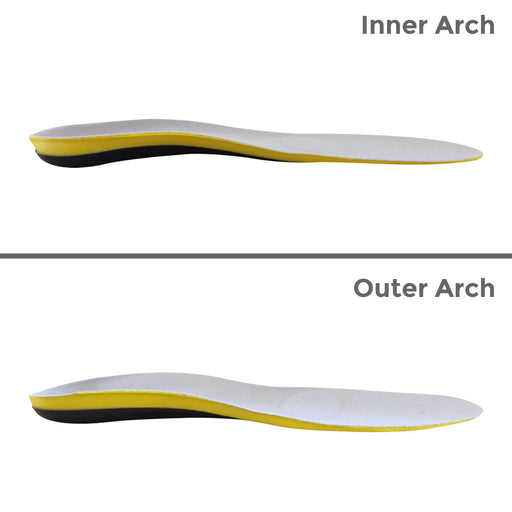
    Provides support to the inner and outer arches of the foot Ideal to relieve aches and pain caused by plantar fasciitis, flat feet or fallen arches...

    View full details
  • SoleRelief Orthotic Overpronation Insoles

    Original price £19.99 - Original price £19.99
    Original price
    £19.99
    £19.99 - £19.99
    Current price £19.99

    High arch design provides optimal overpronation arch support Solid heel and arch orthotic under frame supports the natural foot form Enhanced foot...

    View full details
  • PeakPro Arch Support Running Insoles

    Original price £24.99 - Original price £24.99
    Original price
    £24.99
    £24.99 - £24.99
    Current price £24.99

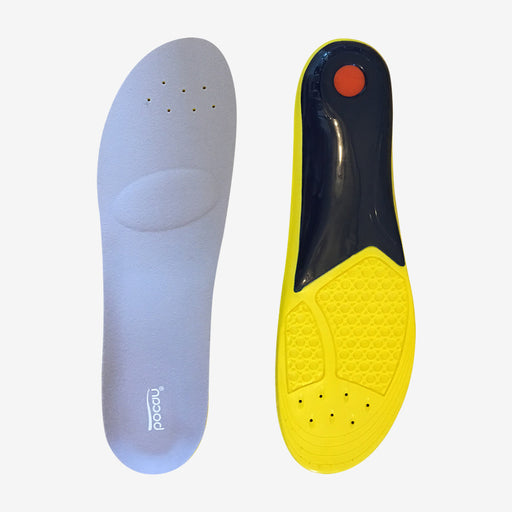
    High density and low compression PORON® foam layer provides optimal shock absorption and sustained comfort Solid heel and arch frame construction ...

    View full details
  • PeakPro Shock Absorbing Sports Insoles

    Original price £14.99 - Original price £14.99
    Original price
    £14.99
    £14.99 - £14.99
    Current price £14.99

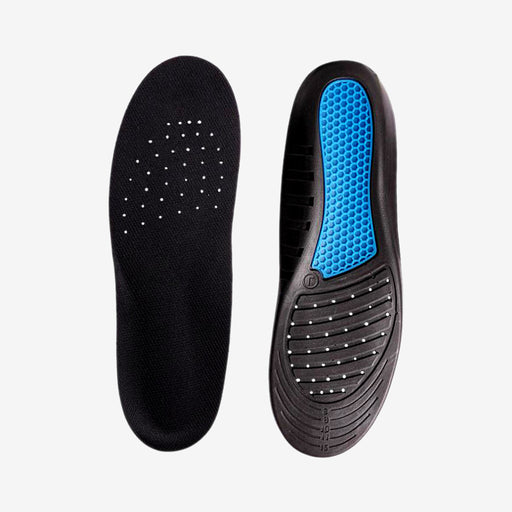
    Maximum shock absorption due to its all gel construction Gel bubbles at the heel and metatarsal region to absorb micro-shocks Mid-height arch supp...

    View full details
  • PeakPro Orthotic Sports Insoles

    Original price £16.99 - Original price £16.99
    Original price
    £16.99
    £16.99 - £16.99
    Current price £16.99

    All gel construction provides enhanced shock absorption and impact cushioning Optimal high arch support for better natural movement and foot suppo...

    View full details
  • Trimmable Plantar Fasciitis Orthotic Insoles

    Original price £32.99 - Original price £32.99
    Original price
    £32.99
    £32.99 - £32.99
    Current price £32.99

    Relieves pain and treats plantar fasciitis, flat feet and overpronation with a balanced rigid and cushioned construction Hard orthotic heel and ar...

    View full details
  • Shock Absorbing Sports Insoles

    Original price £22.99 - Original price £22.99
    Original price
    £22.99
    £22.99 - £22.99
    Current price £22.99

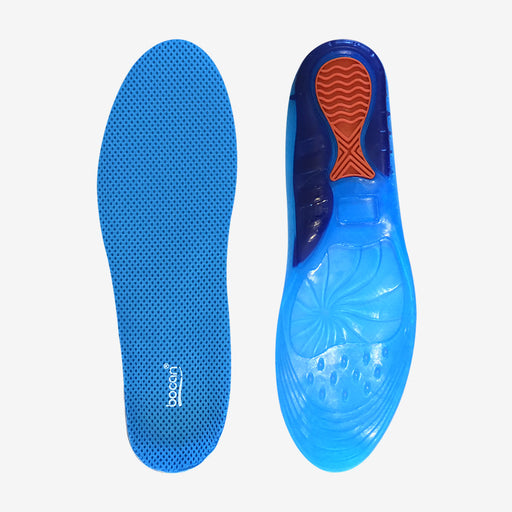
    Minimises sporting injuries and increases comfort and stability with an all gel foundation that’s designed to absorb consistent shocks and impact ...

    View full details
  • SoleRelief Memory Foam Insoles

    Original price £14.99 - Original price £14.99
    Original price
    £14.99
    £14.99 - £14.99
    Current price £14.99

    Shock-absorbing memory foam cushions your feet with each step Reduces stress on your ankles, knees and lower back by effectively distributing body...

    View full details
  • Powerstep Pinnacle Insoles

    Original price £54.99 - Original price £54.99
    Original price
    £54.99
    £54.99 - £54.99
    Current price £54.99

    Prevents and relieves foot pain and symptoms relating to plantar fasciitis, flat feet, overpronation and other common foot conditions Designed to ...

    View full details
  • Powerstep Original Insoles

    Original price £49.99 - Original price £49.99
    Original price
    £49.99
    £49.99 - £49.99
    Current price £49.99

    Relieves foot pain associated with conditions including plantar fasciitis, flat feet, Achilles Tendonitis, ankle, knee and hip and lower back pain...

    View full details
  • SoleRelief Shock Absorbing Walking Insoles

    Original price £13.99
    Original price £13.99 - Original price £13.99
    Original price £13.99
    Current price £9.79
    £9.79 - £9.79
    Current price £9.79

    Made for light to moderate walks – up to 90 minutes daily Enhanced shock absorbing all gel construction Firm gel underlay provides better form and...

    View full details
  • Dr Scholl's Pressure Relief Insoles

    Original price £19.99 - Original price £19.99
    Original price
    £19.99
    £19.99 - £19.99
    Current price £19.99

    Relieves Diabetic Nerve Pain – Clinically proven to help reduce episodes of foot discomfort linked to diabetic neuropathy, including burning, tin...

    View full details
  • Dr Scholl's 24-Hour Energy Multipurpose Insoles

    Original price £24.99 - Original price £24.99
    Original price
    £24.99
    £24.99 - £24.99
    Current price £24.99

    Keeps You Energised All Day – Clinically proven to help reduce foot fatigue and provide an energising boost with every step Helps Relieve Tired,...

    View full details

Sports Insoles Buying Guide

Physical activity places greater demands on the feet than ordinary day-to-day movement. Running, jumping, prolonged walking and changes of direction can increase impact and pressure beneath the sole, making footwear support and cushioning particularly important.

Sports insoles fit inside trainers and other athletic shoes to supplement the existing footbed. Some focus primarily on shock absorption, while others combine cushioning with structured support around the heel and arch.

Not everyone who exercises needs specialist insoles. However, they may be useful when your existing footwear lacks sufficient cushioning, your feet become uncomfortable during activity, or you require additional arch or heel support.

Match Your Insoles to Your Activity

Different sports place different demands on the feet. Consider the type and intensity of activity rather than choosing purely according to how soft or firm an insole feels.

High-Impact Sports and Fitness

Activities involving repeated jumping, landing or rapid movement can place substantial pressure beneath the heel and forefoot.

Gel, foam and other shock-absorbing materials provide additional cushioning beneath these areas while helping make firm athletic footwear feel more comfortable.

Consider this type for:

  • Gym and fitness sessions
  • Court and recreational sports
  • Activities involving repeated impact

Running

Running involves thousands of repeated strides, so an insole needs to remain stable and comfortable as impact accumulates.

A supportive heel-and-arch structure combined with resilient cushioning can provide a firmer base than soft padding alone. The insole should also fit securely without sliding or taking up excessive space inside the trainer.

Consider this type for:

  • Road and treadmill running
  • Longer training sessions
  • Runners wanting additional heel and arch support

Walking and Lower-Impact Activity

For walking, travel and gentler exercise, a softer design may provide sufficient support without the firmness of a more structured sports orthotic.

Cushioned insoles can improve comfort during prolonged periods on your feet, particularly when walking on hard surfaces or wearing footwear with a thin original footbed.

Consider this type for:

  • Recreational walking
  • Travel and sightseeing
  • Lower-impact exercise

Structured Sports Insoles

Some people need more support than a basic gel or foam insert provides.

Structured sports insoles use a firmer arch section and shaped heel area to create a more stable platform beneath the foot while retaining cushioning for impact comfort.

Consider this type for:

  • More noticeable arch support
  • Greater heel stability
  • People who find very soft insoles insufficiently supportive

Features to Look for in Sports Insoles

The thickest or softest option is not necessarily the best. A sports insole should complement your footwear and remain comfortable throughout your chosen activity.

Impact Cushioning

Gel, foam and similar materials can soften repeated contact beneath the heel and forefoot.

More cushioning may feel comfortable during high-impact activity, but an excessively soft insole can feel unstable. Look for a design that absorbs impact while still providing a secure base beneath the foot.

Arch Support

A contoured midfoot section provides additional contact beneath the arch and may help the foot feel better supported during exercise.

The amount of support required varies between individuals. Moderate shaping may be enough for general sports use, while a firmer orthotic structure may be preferable when stronger arch support is required.

Heel Stability

A shaped heel cup can help keep the rear of the foot centred over the insole.

This is particularly useful during faster or more repetitive movement, but the heel section should fit comfortably without pushing the foot too high inside the shoe.

Secure Fit

Sports insoles should stay firmly positioned as you move. They should lie flat without curling, sliding or bunching inside the trainer.

The footwear itself should also fit securely, ideally with laces or another reliable fastening.

Thickness and Shoe Space

Thicker gel and orthotic designs occupy more room than a standard shoe liner.

Check that there is still adequate space around the toes and that your heel remains securely inside the shoe. Removing the original removable footbed can often create the extra depth required.

Benefits of Sports Insoles

Depending on their design, sports insoles can provide several practical benefits during physical activity.

  • Add Shock-Absorbing Cushioning – An additional layer beneath the foot can soften repeated impact, particularly around the heel and forefoot. This may improve comfort during running, gym work, walking and other activities involving prolonged time on your feet.
  • Provide Support and Pressure Distribution – A structured heel-and-arch section can create a more stable platform while helping spread pressure across the sole. This may be particularly useful when ordinary flat shoe liners provide insufficient support.
  • Improve Comfort During Longer Activity – Feet can become tired or uncomfortable as exercise duration increases. Combining cushioning with suitable support may help athletic footwear remain more comfortable throughout longer sessions. Sports insoles should be viewed as supportive accessories rather than products that guarantee improved performance or prevent injury.

Choosing Sports Insoles for Different Foot Needs

Your sport is only one factor to consider. If you have a particular arch shape or movement pattern, you may benefit from a more specialised design.

  • Flat Feet: Look for broader support beneath a low or fallen arch.
  • Overpronation: Firmer heel-and-arch support may suit excessive inward rolling.
  • High Arches: Choose sufficient arch contact alongside cushioning beneath higher-pressure areas.
  • Plantar Fasciitis: Arch support combined with heel cushioning may be preferable to a basic sports insert.

If one of these conditions is your main reason for buying insoles, a dedicated condition-specific range may provide a more focused selection than general sports insoles.

How to Fit Sports Insoles

Correct positioning is important, particularly during activities where the foot is moving repeatedly inside the shoe.

Check the Fit Inside Your Trainers

Place the insole inside the shoe with the heel positioned firmly against the back.

Make sure it lies completely flat and does not curl around the sides or forefoot. If the new insole is a substantial full-length replacement, removing the trainer's original removable footbed will usually provide a better fit.

Trim Only Where Intended

Some full-length sports insoles can be adjusted around the forefoot.

Use the original shoe liner as a template where possible, cutting away small amounts at a time until the new insole fits smoothly inside the shoe.

Avoid trimming the structured heel or arch section unless the manufacturer specifically states that these areas can be altered.

Introduce Them Before Intense Exercise

Avoid wearing unfamiliar supportive insoles for the first time during an important race, match or demanding workout.

Begin with ordinary walking or shorter exercise sessions, then gradually increase the duration and intensity once the insoles feel comfortable.

Monitor Comfort During Activity

A new support pattern may feel different beneath the foot, particularly with structured orthotic designs.

However, the insole should not create new areas of pain, rubbing or persistent irritation. If discomfort continues or your symptoms become worse, discontinue use and speak to a podiatrist or another qualified healthcare professional.

Sports Insoles or Running Insoles?

The two types of insoles overlap, but sports insoles cover a broader range of activities.

They may be suitable for gym training, recreational sports, walking and general fitness where additional cushioning or support is wanted.

Running insoles are more specifically designed around repeated forward movement and higher mileage. They may place greater emphasis on resilient cushioning, secure heel positioning and support that remains stable throughout repeated strides.

If running is your primary activity, a dedicated running insole may provide a more focused starting point. For mixed exercise and general athletic use, sports insoles offer greater flexibility.

Frequently Asked Questions

What are sports insoles?

Sports insoles are inserts worn inside trainers and athletic footwear to provide additional cushioning, support or pressure distribution during physical activity.

Some are soft and shock absorbing, while others use a firmer heel-and-arch structure for greater support.

Are sports insoles different from regular insoles?

Sports designs often place greater emphasis on impact cushioning, stability and staying securely positioned during movement.

However, there is considerable overlap. Some general arch-support or orthotic insoles can also be suitable for exercise when they fit securely inside the footwear.

Should sports insoles be soft or firm?

It depends on your needs.

Softer foam and gel designs prioritise cushioning, whereas firmer structures provide more noticeable support around the heel and arch. Many sports insoles combine both approaches by placing cushioning over a more stable base.

Do sports insoles prevent injuries?

No insole can guarantee injury prevention.

Sports insoles may provide additional cushioning, support and pressure redistribution, but factors such as footwear, training load, strength, technique and previous injuries also influence injury risk.

Can I use sports insoles for running?

Yes, provided the design fits securely and remains comfortable during repeated movement.

If running is your main activity, a dedicated running insole may offer features more specifically suited to repeated strides and longer distances.

Should I remove the existing insoles from my trainers?

For most substantial full-length replacements, removing the trainer's original removable footbed provides more room and allows the new insole to sit properly.

If the existing liner cannot be removed, make sure adding another insole does not make the shoe too tight or push your heel upwards.

Learn More About Sports Insoles and Foot Support

For more information about choosing insoles and keeping your feet comfortable during exercise, explore our related guides: