
What Are the First Signs of Plantar Fasciitis?

Plantar fasciitis develops gradually over time as the plantar fascia – your foot’s main arch-supporting ligament – becomes irritated, overloaded and eventually inflamed or degenerated.
While it’s not an overnight occurrence, there are still signs that the condition may be developing which we will reveal in this article.
How Plantar Fasciitis Develops
Before we talk about the early signs of plantar fasciitis, it’s important to understand how it develops in the first place. Here’s a breakdown of how it happens.
1. Repeated Stress on the Plantar Fascia
The plantar fascia is a thick, rope-like band of tissue that connects your heel to your toes.
It’s designed to absorb shock and support your arch.
When it’s exposed to repetitive strain, such as prolonged standing, running, sudden increases in activity and unsupportive footwear, it starts to become irritated.
2. Microtears Begin to Form
With ongoing stress, tiny tears develop where the fascia attaches to the heel bone (calcaneus). These tears are usually microscopic and happen gradually. Over time, the accumulation of micro-injuries weakens the tissue, increases inflammation and reduces overall flexibility.
3. Inflammation and Tissue Degeneration
At first, the problem is mostly inflammation (your body’s response to irritation), but if the stress continues, the condition can shift toward degeneration of the tissue, known as fasciosis.
This means the fascia becomes weaker, thicker and less elastic. This is why chronic cases often take longer to heal.
4. Tightness Increases, Making Pain Worse
As the fascia becomes irritated, it tightens, especially overnight. This is why your first steps in the morning are so painful. When you walk, the fascia suddenly stretches again, causing that familiar sharp “first-step pain”.
5. The Pain Cycle Continues
Without treatment, a cycle often forms:
Overuse > Microtears > Pain > Tightening > More tears
Eventually, normal daily activities can trigger symptoms. To avoid plantar fasciitis, it’s crucial that you do your best to prevent the first step – repeated stress on the plantar fascia.
Failure to do so, you may experiencing the following symptoms…
Our Best Plantar Fasciitis Insoles
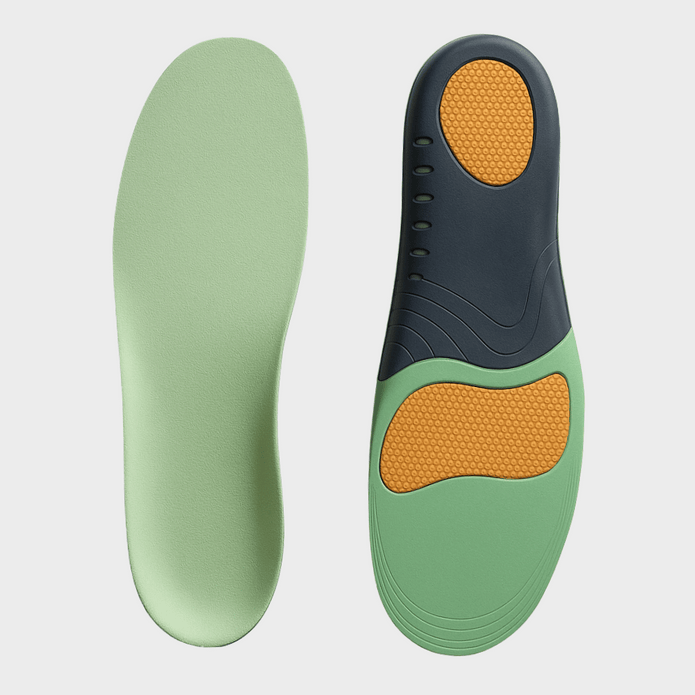

UltraSupport Plantar Fasciitis Insoles
View Product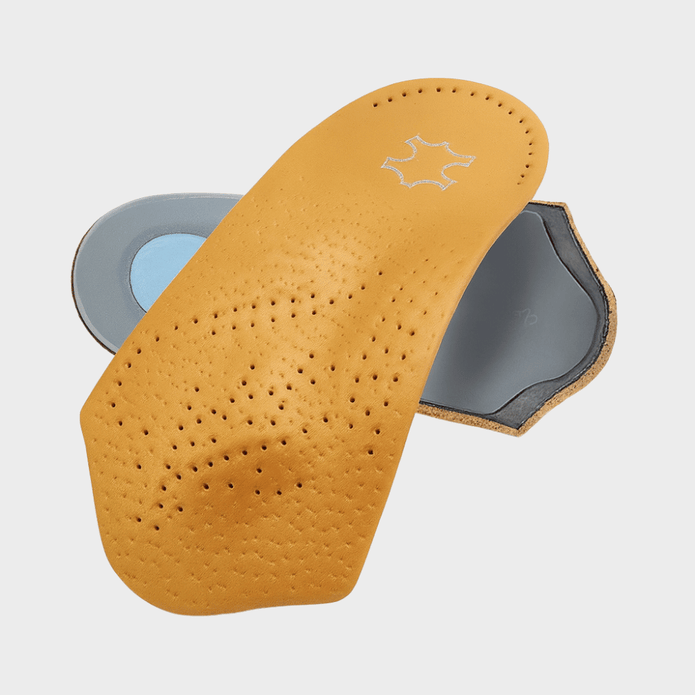
UltraSupport Plantar Fasciitis Leather Insoles
View ProductEarly Signs of Plantar Fasciitis
Here are the first and most common early signs of plantar fasciitis so that you can recognise them and take action sooner with treatment and preventive measures:
- Sharp heel pain with first steps in the morning – This is the classic hallmark. When you get out of bed or stand after sitting for a long time, you may feel a sharp, stabbing pain in the bottom of your heel. Once you walk a bit, the pain often ease, only to return later.
- Pain after rest (not usually during activity) – Plantar fasciitis pain tends to flare after activity, not during it. For example, after a run or long walk, your heel may feel stiff or achy once you stop moving.
- Tenderness at the bottom of the heel – Pressing on the inner bottom edge of your heel (near where the arch begins) may produce a sharp localised pain and/or a feeling of soreness or bruising.
- Tightness in the arch or heel – You might notice tightness in the arch of the foot or difficulty flexing the foot upward. This is due to the inflammation and tension in the plantar fascia.
- Heel stiffness – In early stages, many people describe a “Stiff heel”, “pulling sensation” and “tight band” feeling along the bottom of the foot. This stiffness is often worst in the morning.
- Mild swelling at the heel – Not dramatic swelling, but a subtle puffiness or warmth near the heel may appear as the tissue becomes irritated.
While these signs are not a definitive indicator of plantar fasciitis, it’s important to recognise them especially if your feet has been undergoing a lot of stress or if you fall into the higher risk category.
People Most at Risk for Plantar Fasciitis
- Adults between 40-60 – This age range sees the highest incidence because the plantar fascia naturally loses elasticity over time.
- People who spend a lot of time on their feet such as those with jobs or routines involving long hours of standing or walking (nurses, teachers, retail/warehouse workers, hospitality workers etc.)
- Runners and athletes – High-impact activities can strain the fascia, especially long-distance running, sprinting, dancing and high-intensity workouts. Sudden increases in training are especially risky.
- People With flat feet or high arches – Foot structure plays a huge role. Flat feet can overstretch the fascia while high arches place excess pressure on the heel. Both create abnormal load distribution.
- Those who often wear poorly supportive footwear such as old, worn-out running shoes, thin, flat sandals, high heels and barefoot walking on hard floors. A lack of arch support and shock absorption stresses the fascia.
- People with tight calf muscles or Achilles tendons – Tightness pulls on the heel and increases tension in the plantar fascia.
- People who are overweight – Excess weight increases pressure on the plantar fascia with every step, raising the risk significantly.
- People with certain gait or biomechanical issues – These may include overpronation, uneven leg lengths (leg length discrepancy) and poor walking mechanics.
- Pregnant women especially in the third trimester due to their increased weight, swelling in the feet and changes in gait.
When to Seek Help
Seek professional evaluation from a doctor or podiatrist if:
- Pain persists more than 2 weeks
- Walking becomes difficult
- Swelling is significant
- Pain occurs at night (rare for plantar fasciitis)
There is also a wide range of orthotics that helps to relieve symptoms associated with plantar fasciitis. In most cases, doctors and podistrists will recommend patients to utilise them.


Leave a comment