Frequently Asked Questions About Foot Blisters
What causes blisters on the feet?
Most foot blisters are caused by repeated friction, where footwear or socks continually rub against the same area of skin.
Poorly fitting shoes, new footwear, prolonged walking or running and sweaty feet can all make friction more likely.
Should I pop a blister?
Generally, no. The NHS recommends allowing a blister to heal naturally rather than deliberately bursting it. The intact skin provides protection while the area underneath recovers.
If a blister bursts by itself, keep it clean and avoid peeling away the remaining skin.
What should I put over a blister?
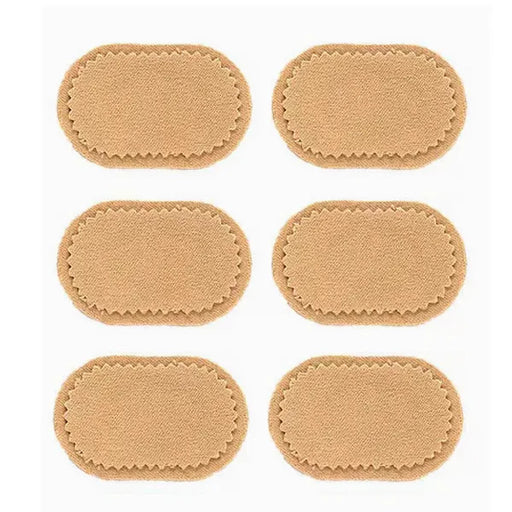
A soft plaster, padded dressing or suitable blister dressing can protect the area while it heals.
Hydrocolloid dressings are another option and may help protect the blister while reducing discomfort.
Can heel grips prevent blisters?
They may help when blistering is caused by mild heel slippage inside the shoe.
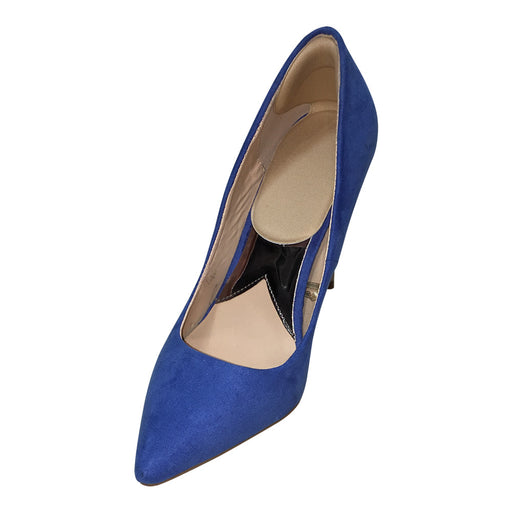
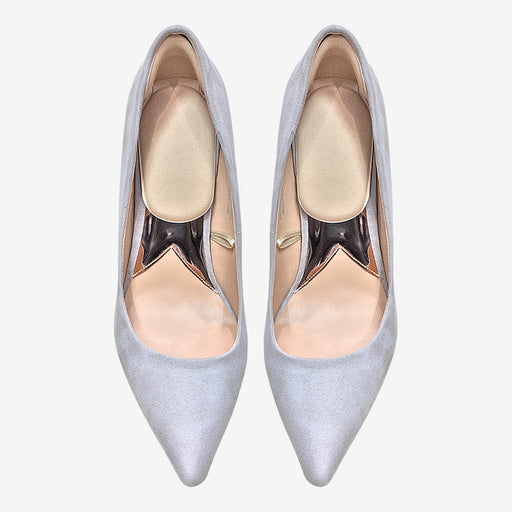
By reducing movement and adding cushioning around the rear of the footwear, a heel grip can lessen repeated rubbing. Shoes that are significantly too large, however, should be replaced with a better-fitting pair rather than relying on grips alone.
Can toe caps help prevent blisters?
Yes, when repeated friction occurs around an individual toe.
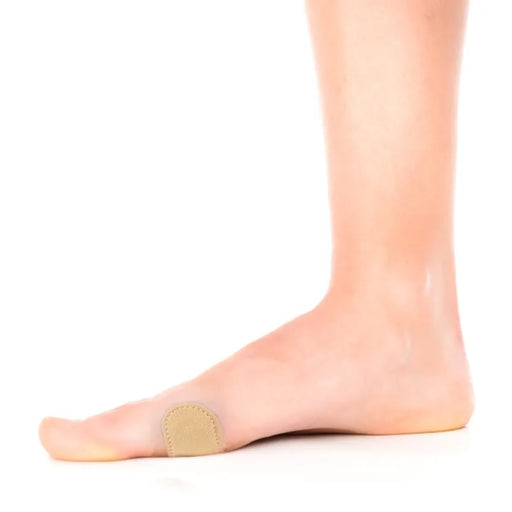
A gel or foam toe protector creates a barrier between the skin and the surface causing the rubbing.
Make sure there is enough space inside the shoe for the protector.
How can I prevent blisters when walking or running?
Start with well-fitting footwear and suitable socks.
Break new shoes in gradually, change damp socks where necessary and protect known rubbing points before longer activities.
If the same blister appears repeatedly, investigate why that specific area is moving or experiencing pressure rather than simply treating the blister each time.
How long do blisters take to heal?
Most uncomplicated blisters heal naturally within approximately one week, although the exact time varies with their size, location and whether the area continues to be irritated.
Avoid the footwear or activity that caused the blister where possible until the skin has recovered.
When should I seek professional advice?
Get medical advice if a blister is very painful, keeps returning or shows signs of infection, such as heat, increasing redness or green or yellow discharge.
Professional advice is also appropriate when several blisters appear without an obvious cause, or when blistering results from burns, allergic reactions or another medical condition rather than ordinary friction.