Frequently Asked Questions
What causes stress fractures in the foot?
Stress fractures usually develop when a bone is repeatedly loaded faster than it can recover. Running, jumping and sudden increases in physical activity are common causes.
They can also occur when bones are weakened by conditions such as osteoporosis.
Where do foot stress fractures usually occur?
The metatarsal bones in the front of the foot are among the most common locations for foot stress fractures, although other bones in the foot and heel can also be affected.
Can I walk on a stress fracture?
It depends on the location and severity of the injury.
Some people can continue limited walking while modifying their activities, while others need a rigid-soled shoe, orthopaedic boot, crutches or reduced weight-bearing.
Follow the advice given for your particular fracture rather than trying to walk through increasing pain.
Do insoles help stress fractures?
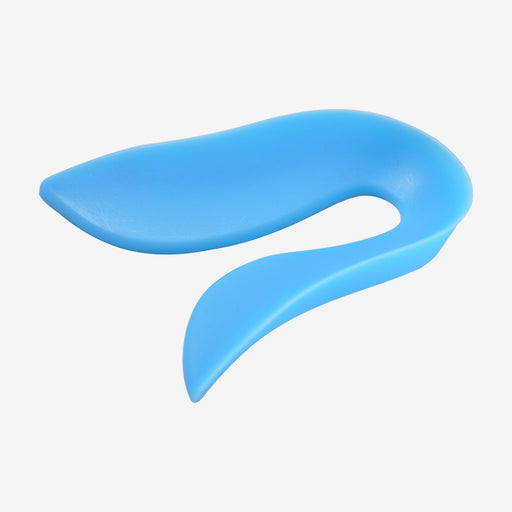
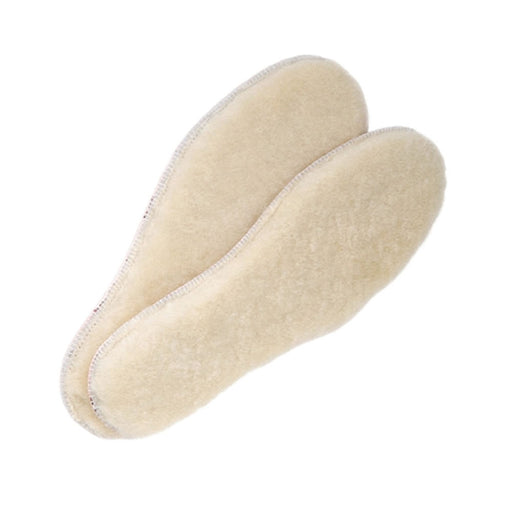
Insoles can provide cushioning and redistribute pressure as you return to normal footwear, but they do not heal the fracture.
If you have been advised to wear a boot, rigid shoe or use crutches, an ordinary insole should not be used instead.
Are metatarsal pads suitable for a stress fracture?
A metatarsal pad may help redistribute pressure around the forefoot in some circumstances, particularly later in recovery.
It should not place extra pressure directly beneath the injured bone. If using a pad makes the area more painful, stop using it and seek professional advice.
How long does a stress fracture take to heal?
Recovery depends on the bone affected, the severity of the injury and how effectively the area can be protected from repeated loading.
Some people can begin gradually returning to lower-impact activity at around six weeks once symptoms have settled, although foot discomfort can persist for longer.
When should I seek medical advice?
A suspected fracture should be properly assessed rather than treated solely with inserts or cushioning.
Seek urgent advice if you have severe pain, cannot walk, the foot has changed shape, you heard a snap or grinding noise, or the foot becomes hot and swollen. NHS guidance recommends contacting 111 if you think you may have broken a bone in your foot or toes.