Skip to content

Sesamoiditis

Sesamoiditis typically causes forefoot discomfort centred around the underside of the big-toe joint, with symptoms often becoming more noticeable as weight moves through the front of the foot. Our collection includes metatarsal pads, cushioning, supportive insoles, footwear and recovery products designed to reduce pressure around the forefoot and improve comfort.

  • DuraFlex Gel Bunion Protection Sleeves

    Original price £8.99 - Original price £8.99
    Original price
    £8.99
    £8.99 - £8.99
    Current price £8.99

    Natural and easy way of relieving bunion pain by separating and protecting the bunion Sleeved design securely wraps over the upper foot to prevent...

    View full details
  • DuraFlex Sleeved Metatarsal Pads

    Original price £11.99 - Original price £11.99
    Original price
    £11.99
    £11.99 - £11.99
    Current price £11.99

    Alleviates pressure and relieves aches and pain from the ball of the foot Treament for metatarsalgia and other metatarsal foot pain related issues...

    View full details
  • DuraFlex Total Sleeve Gel Toe Separators

    Original price £9.99 - Original price £9.99
    Original price
    £9.99
    £9.99 - £9.99
    Current price £9.99

    Provides pain relief and reduces irritation caused by overlapping toes, hammer toes, bunions, tendonitis, arthritis and more Designed to straighte...

    View full details
  • DuraFlex Gel Metatarsal Pads

    Original price £7.99 - Original price £7.99
    Original price
    £7.99
    £7.99 - £7.99
    Current price £7.99

    Effectively relieves pain in the ball of the foot by absorbing impact and taking pressure off the metatarsals Designed to treat metatarsalgia and ...

    View full details
  • ActiveRestore Hammer Toe Splint

    Original price £11.99 - Original price £19.99
    Original price
    £11.99 - £19.99
    £11.99 - £19.99
    Current price £11.99

    Straightens and slows down the progression of a hammer, claw or mallet toe Adjustable aluminium metal plate stabilises the toe Adjustable foot arc...

    View full details
  • ActiveRestore Index Toe Splint

    Original price £11.99 - Original price £19.99
    Original price
    £11.99 - £19.99
    £11.99 - £19.99
    Current price £11.99

    Corrects the position and slows down the progression of a hammer toe, claw toe and mallet toe Aluminium metal plate keeps the index toe stabilised...

    View full details
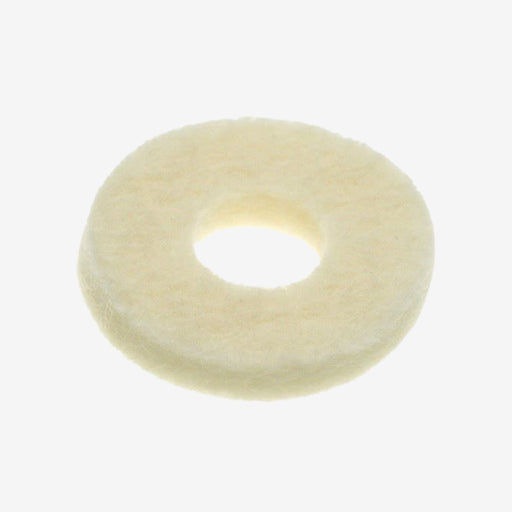
  • Wool Felt Bunion Pads - Oval

    Original price £5.99 - Original price £9.99
    Original price
    £5.99 - £9.99
    £5.99 - £9.99
    Current price £5.99

    Quickly and easily relieves pressure and pain from bunions Effectively protects bunions from rubbing against footwear Self-adhesive back sticks di...

    View full details
  • Moleskin Tape Roll

    Original price £4.99 - Original price £4.99
    Original price
    £4.99
    £4.99 - £4.99
    Current price £4.99

    Relieves pressure and pain from corns, calluses, cracked skin, bunions, bunionettes and blisters. Reduces rubbing and provides comfortable padded ...

    View full details
  • DuraFlex Gel Metatarsal Cushion Pads

    Original price £8.99 - Original price £8.99
    Original price
    £8.99
    £8.99 - £8.99
    Current price £8.99

    Relieves aches and pain in the metatarsal region by absorbing shocks and impact Alleviates pressure from the ball of the foot Treatment for metata...

    View full details
  • Podiatry Adhesive Cushion Pads

    Original price £4.99 - Original price £4.99
    Original price
    £4.99
    £4.99 - £4.99
    Current price £4.99

    Relieves pain and prevents irritation caused by bunions, corns and calluses Soft and comfortable 100% hypoallergenic foam pads Self-adhesive backi...

    View full details
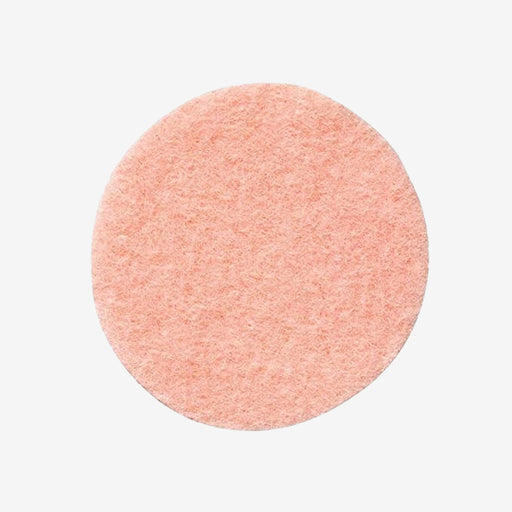
  • Wool Felt Bunion Pads - Circle

    Original price £5.99 - Original price £11.99
    Original price £5.99 - Original price £11.99
    Original price £5.99
    £4.79 - £9.59
    £4.79 - £9.59
    Current price £4.79

    Redistributes pressure and relieves pain from bunions and corns Prevents irritation from the bunion rubbing inside the footwear Self-adhesive back...

    View full details
  • Hammer Toe Support Pad

    Original price £8.99 - Original price £8.99
    Original price
    £8.99
    £8.99 - £8.99
    Current price £8.99

    Reduces friction and rubbing by cushioning the toes and redistributing pressure away from the bent joints Helps prevent corns or calluses from for...

    View full details
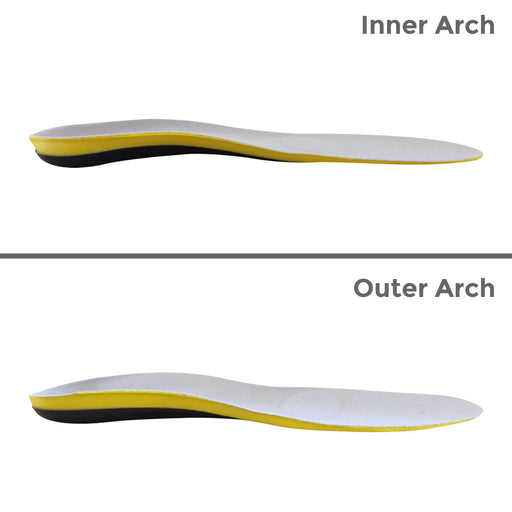
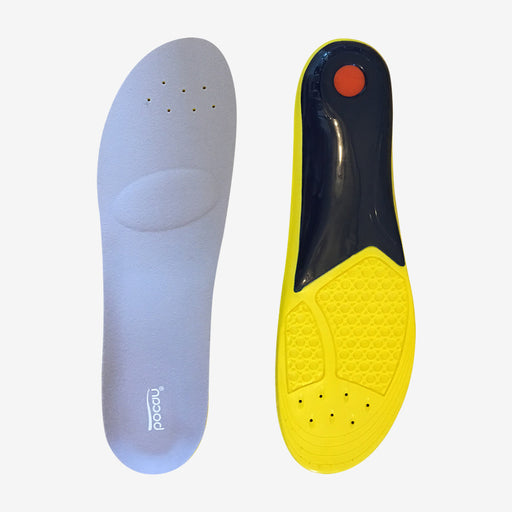
  • Trimmable Plantar Fasciitis Orthotic Insoles

    Original price £32.99
    Original price £32.99 - Original price £32.99
    Original price £32.99
    £24.99 - £32.99
    £24.99 - £32.99
    Current price £24.99

    Relieves pain and treats plantar fasciitis, flat feet and overpronation with a balanced rigid and cushioned construction Hard orthotic heel and ar...

    View full details
  • Dual Layer Support Slide Sandals

    Original price £29.99
    Original price £29.99 - Original price £29.99
    Original price £29.99
    Current price £24.99
    £24.99 - £24.99
    Current price £24.99

    Optimised support and ergonomic slide sandals for comfort and foot pain relief Ideal for plantar fasciitis, flat feet, overpronation, arthritis, m...

    View full details
  • SoleRelief Memory Foam Insoles

    Original price £14.99
    Original price £14.99 - Original price £14.99
    Original price £14.99
    Current price £11.99
    £11.99 - £11.99
    Current price £11.99

    Shock-absorbing memory foam cushions your feet with each step Reduces stress on your ankles, knees and lower back by effectively distributing body...

    View full details
  • Comfier Electric Heated Foot Warmer

    Original price £74.99 - Original price £74.99
    Original price
    £74.99
    £74.99 - £74.99
    Current price £74.99

    Promotes blood circulation and body warmth while elevating your mood and serotonin levels Reduces joint stiffness, tissue damage and muscle spasms...

    View full details
  • Mini Foot Roller Massager

    Original price £9.99 - Original price £9.99
    Original price
    £9.99
    £9.99 - £9.99
    Current price £9.99

    Relieves foot pain and tension by targeting the foot muscles, tendons and pressure points Beneficial for foot conditions such as plantar fasciitis...

    View full details
  • U-Shaped Adhesive Foam Cushion Pads

    Original price £4.99 - Original price £4.99
    Original price
    £4.99
    £4.99 - £4.99
    Current price £4.99

    Relieves pain and prevents irritation caused by corns and calluses Large and thick size provides maximum protection particularly on the palms of t...

    View full details
  • Foot Ice Pack Wrap

    Original price £19.99 - Original price £19.99
    Original price
    £19.99
    £19.99 - £19.99
    Current price £19.99

    Reduces swelling/edema by decreasing blood flow to the area, limiting excess fluid accumulation and swelling Relieves pain by temporarily numbing ...

    View full details
  • Cotton Fleece Bunion Pads

    Original price £5.99 - Original price £9.99
    Original price £5.99 - Original price £9.99
    Original price £5.99
    £4.79 - £7.99
    £4.79 - £7.99
    Current price £4.79

    Relieves pain on bunions and corns by redistributing pressure Effectively protects bunions from rubbing against the inside of footwear Self-adhesi...

    View full details

Sesamoiditis Buying Guide

Sesamoiditis affects two small bones located underneath the joint at the base of the big toe. Known as the sesamoids, these bones sit within a tendon and help the big toe function as you walk and push forwards through the foot.

Because of their position underneath the forefoot, the sesamoids experience considerable pressure during activities such as walking, running, jumping and rising onto the toes. Repeated loading can irritate the area and lead to pain around the underside of the big toe joint.

Symptoms can include tenderness beneath the big toe, discomfort during weight-bearing and pain when bending or pushing through the toe. Swelling may also develop, and symptoms often ease when pressure is taken off the foot.

Many cases can be managed conservatively by reducing aggravating activity, improving footwear and using suitable cushioning or insoles to take pressure away from the painful area.

Products for Sesamoiditis: What Each Type Does

The main aim of support products is usually to reduce concentrated pressure beneath the big toe joint while making everyday walking more comfortable.

Metatarsal Pads & Forefoot Cushioning

For sesamoid discomfort, forefoot padding is mainly used to shift load away from the sensitive area beneath the big toe rather than simply adding a thicker layer of cushioning.

For sesamoiditis, the aim is not simply to place thick padding directly underneath the painful sesamoid. Instead, cushioning may be positioned to offload the sensitive area and spread pressure through the surrounding forefoot. NHS podiatry guidance includes padding as an option for cushioning and unloading the sesamoids.

Our collection includes gel metatarsal pads, cushioned sleeves and adhesive padding that can be used in different types of footwear.

May suit:

  • Pain concentrated beneath the big toe joint
  • Forefoot discomfort during walking or standing
  • Shoes with limited built-in cushioning
  • People wanting localised padding rather than a full insole
  • Sensitive pressure points around the ball of the foot

If a pad increases pain or feels as though it is pressing directly into the sore area, adjust its position or discontinue use.

Foot Support Insoles

A supportive insole can help when you want to reduce forefoot pressure while also improving cushioning beneath the rest of the foot.

Depending on the design, insoles may combine arch support, heel stability and shock-absorbing materials. NHS musculoskeletal guidance notes that insoles can be useful for reducing pressure around the ball of the foot in people with sesamoiditis.

Our range includes cushioned and more structured orthotic designs.

May suit:

  • Sesamoid pain alongside arch discomfort
  • Long periods of walking or standing
  • Footwear that lacks adequate cushioning
  • People wanting support across a larger area of the foot
  • Flat or high-arched feet where pressure distribution may also be contributing to symptoms

An insole should fit without making the shoe cramped around the forefoot.

Adhesive Pads & Offloading Cushions

Adhesive felt or foam pads can be positioned around a tender area to provide cushioning without covering the entire sole.
These may be particularly useful when you want to create a protected area around the painful part of the forefoot while keeping the insert relatively thin.

Our Sesamoiditis collection currently includes several felt, foam and podiatry-style cushioning pads.

The exact position matters. Padding should reduce pressure rather than create another raised point directly beneath the painful bone.

Foot Support Footwear

Footwear is particularly important because the sesamoids are loaded every time the big toe bends and the body moves forwards over the foot.

We recommend supportive, cushioned footwear, with a firmer sole that reduces excessive bending through the forefoot. High heels, hard flat shoes and poorly supportive footwear can make symptoms more noticeable.

When choosing shoes, consider:

  • Adequate cushioning beneath the forefoot
  • A stable rather than highly flexible sole
  • Enough width around the toes
  • A secure fit
  • A relatively low heel
  • Sufficient space for any pads or insoles

Supportive trainers or walking shoes may be more comfortable than thin, flexible footwear while symptoms are active.

Cold Therapy

A wrapped cold pack can be useful for temporary pain relief when the area feels sore after activity.

NHS guidance for sesamoiditis recommends applying a wrapped ice pack for short periods as part of conservative self-care.
Cold therapy does not address the source of the loading, so it works best alongside footwear changes and activity modification.

Foot Rollers & Massage Products

Massage products may help with general foot relaxation, but use them carefully if the sesamoid area itself is painful.

A roller can be used around the rest of the sole where comfortable, but avoid repeatedly applying strong pressure directly underneath the tender big-toe joint.

Our collection includes foot rollers alongside other recovery products.

What Causes Sesamoiditis?

Sesamoiditis commonly develops when the area beneath the big toe is exposed to more load than it can comfortably tolerate.

Potential contributing factors include:

  • A sudden increase in walking or exercise
  • Running and jumping activities
  • Repeatedly pushing up onto the toes
  • High-heeled footwear
  • Unsupportive shoes
  • High or low arches
  • A change in body weight
  • Repeated stress around the big toe joint

Athletes and dancers may be particularly susceptible because their activities frequently place significant force through the forefoot.

Sesamoiditis vs Stress Fracture

Pain underneath the big toe is not always caused by sesamoiditis.
A sesamoid stress fracture can also cause localised forefoot pain, particularly following a substantial increase in running, jumping or other repetitive activity.
Sesamoiditis tends to involve irritation from repeated loading without a clear fracture, whereas a stress fracture involves a small break developing within the bone from repeated stress.

The symptoms can overlap, so persistent or severe pain should be professionally assessed rather than assuming it is simply inflammation.

Consider seeking assessment if:

  • Pain is very localised directly over the bone
  • Symptoms are getting progressively worse
  • Significant swelling develops
  • Walking becomes difficult
  • Pain began following a sudden increase in high-impact activity
  • The problem is not improving with conservative measures

How to Choose Support for Sesamoiditis

  • If Pain Is Directly Under the Big Toe Joint – Start by looking at offloading pads or targeted forefoot cushioning. The aim is to take some pressure away from the sore area rather than simply adding bulk directly beneath it.
  • If the Whole Forefoot Feels Overloaded – A cushioned full-length insole may distribute pressure more broadly and provide a softer surface during walking and standing. This can be especially useful if your existing footwear has a hard or thin sole.
  • If You Also Need Arch Support – Consider a more structured insole that combines forefoot cushioning with appropriate arch support. Foot shape can influence where pressure is concentrated, and both high and flat arches have been associated with sesamoid symptoms.
  • If Shoes Bend Easily at the Front – Changing footwear may be more useful than adding extra padding. Footwear that flexes less through the front of the shoe can reduce how much the painful big-toe joint has to move with each step.
  • If Pain Flares After Activity – Temporarily reduce the activity that causes symptoms and consider cold therapy for short-term relief. Returning to running, jumping or other high-impact activity should be gradual rather than immediately resuming your previous level.

Managing Sesamoiditis & Big-Toe Joint Pain

Reducing the repeated pressure that irritates the sesamoids is generally an important part of recovery.

Useful measures may include:

  • Temporarily reducing aggravating walking or exercise
  • Wearing supportive, cushioned footwear
  • Using suitable pads or insoles
  • Avoiding high heels and tight, pointed shoes
  • Limiting barefoot walking on hard surfaces
  • Applying a wrapped cold pack when needed
  • Switching temporarily to lower-impact activities
  • Performing appropriate foot and ankle exercises

Symptoms commonly improve through a combination of footwear changes, orthotics, activity modification and suitable exercise.

Trying to continue repeatedly through increasing forefoot pain can prolong irritation, so adjust your activity according to symptoms.

Frequently Asked Questions About Sesamoiditis

What is sesamoiditis?

Sesamoiditis is a painful condition affecting the small sesamoid bones and surrounding structures beneath the joint at the base of the big toe.

The area experiences substantial load as you walk or push through the front of the foot, and repeated stress can make it painful and sensitive.

Where is sesamoiditis pain felt?

Pain is normally located underneath the ball of the foot at the base of the big toe.

It may become more noticeable while walking, bending the big toe or rising onto the toes. The area can also be tender when pressed.

What causes sesamoiditis?

Repeated loading is a common contributor.

Running, jumping, increasing activity suddenly, high heels and repeatedly pushing through the toes can all place additional stress on the sesamoid region. Foot shape and unsupportive footwear may also play a role.

Do metatarsal pads help sesamoiditis?

Padding can help by cushioning the forefoot and reducing pressure around the sesamoid area. NHS podiatry guidance includes felt or similar padding among conservative treatment options.

Positioning is important, as placing a raised pad directly beneath the painful point could make symptoms worse.

Can insoles help sesamoiditis?

They can be useful when additional cushioning or broader foot support is required.

Padded or orthotic insoles may help reduce pressure around the ball of the foot, although people with persistent symptoms may benefit from individually assessed orthotics.

What shoes are best for sesamoiditis?

Look for shoes that are well cushioned, supportive and relatively stable through the forefoot.

A firmer sole can reduce how much the big toe bends during walking. Avoid high heels, tight pointed footwear and hard, unsupportive shoes while the area is painful.

Can I exercise with sesamoiditis?

Activities that repeatedly aggravate the forefoot should generally be reduced while symptoms settle.

Lower-impact exercise that does not reproduce the pain, such as swimming, may be more suitable temporarily. Return to higher-impact activity progressively rather than making a sudden increase.

Is sesamoiditis the same as a stress fracture?

No. Sesamoiditis generally refers to pain and irritation associated with repeated loading of the sesamoid region, whereas a stress fracture involves an actual break within the bone caused by repetitive stress.

Because both can produce localised pain around the forefoot, assessment may be needed if symptoms are severe or persistent.

When should I seek professional advice?

Consider seeing a podiatrist, physiotherapist or GP if the pain continues despite reducing aggravating activities and changing your footwear, or if symptoms are becoming progressively worse.

Assessment is particularly worthwhile if walking becomes difficult, there is substantial swelling, or you suspect a fracture or another injury rather than simple overuse.

Learn More About Ball-of-Foot Pain

For more information about forefoot discomfort and related conditions, explore: