Which Arch Support Insole Is Right for Me?
Arch support insoles differ in length, shape, firmness and cushioning. Understanding these differences can help you choose a design that feels supportive without placing excessive pressure beneath the arch.
Cushioned Arch Support Insoles
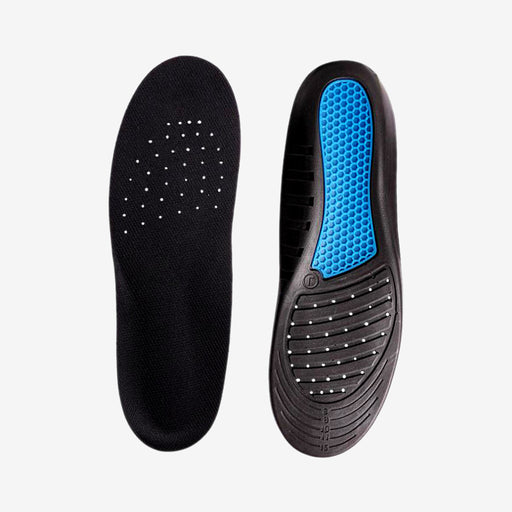
Cushioned insoles use materials such as gel, foam or memory foam to provide a softer surface beneath the foot. They usually offer gentle to moderate arch support alongside additional cushioning through the heel and forefoot.
These may be suitable for everyday walking, prolonged standing or footwear with a firm footbed. However, softer materials generally provide less control than a structured orthotic frame.
Best suited to:
- Everyday foot comfort
- Tired or aching feet
- Walking or standing for long periods
- People who prefer soft or flexible support
Structured and Orthotic Arch Support Insoles
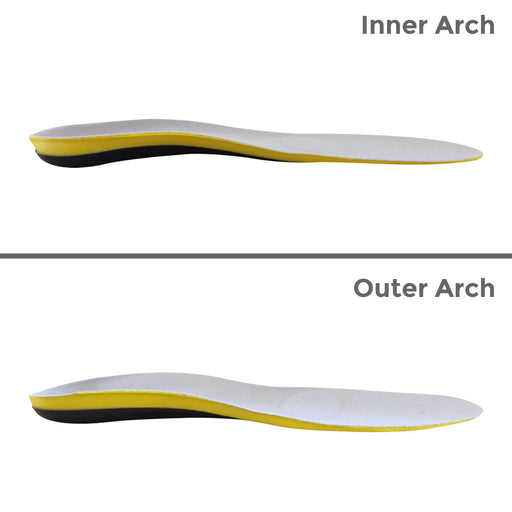
Structured insoles use a semi-rigid or rigid frame beneath the heel and arch. This helps the insole retain its shape under pressure and provides more noticeable support than soft foam alone.
Many designs also include a deep heel cup to help hold the rear of the foot securely. Firm support should feel comfortable and follow the shape of your foot rather than pressing sharply into the arch.
Best suited to:
Full-Length and Trimmable Insoles
Full-length insoles extend from the heel to the toes, providing support and cushioning across the entire sole. Trimmable designs can be cut around the forefoot to match the outline of the shoe’s existing insole.
They are a versatile option for trainers, work shoes and everyday footwear with a removable footbed. Check the sizing carefully and trim small amounts at a time to avoid making the insole too short.
Best suited to:
- Support across the whole foot
- Heel, arch and forefoot cushioning
- Shoes with removable insoles
- People who want a more complete replacement footbed
Half-Length Arch Support Insoles
Half-length insoles support the heel and arch while leaving the forefoot uncovered. They take up less space than full-length designs and may fit footwear that cannot accommodate an additional layer beneath the toes.
They can also provide a firmer platform beneath the rear of the foot. However, the front edge should sit smoothly and should not create an uncomfortable ridge beneath the arch.
Best suited to:
- Shoes with limited forefoot space
- Targeted heel and arch support
- People who do not need forefoot cushioning
- Footwear with a non-removable existing insole
Sports and Running Arch Support Insoles
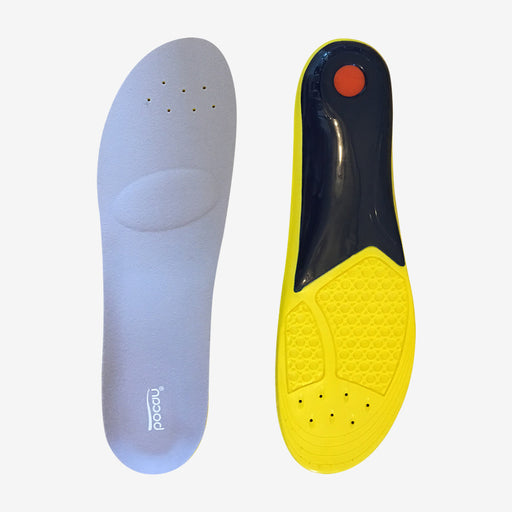
Sports insoles combine arch support with materials designed to cushion repeated impact. They may include a structured heel and arch frame, shock-absorbing foam or gel beneath higher-pressure areas.
Choose a design appropriate for your activity and make sure it remains securely positioned inside the footwear. New orthotic insoles should be introduced gradually before being used for running, jumping or other strenuous exercise.
Best suited to:
- Running and fitness activities
- Repeated impact
- Sports footwear
- Active people seeking additional stability
Children’s Arch Support Insoles
Children’s insoles are shaped and sized for growing feet. They may be used to provide additional support where flat feet, overpronation or another foot concern is causing symptoms.
Flat feet are common in young children and usually do not require treatment when they are painless and do not affect movement.
Seek professional advice if a child experiences pain, weakness, repeated injuries, balance problems or difficulty walking.