Skip to content

Plantar Fasciitis Insoles

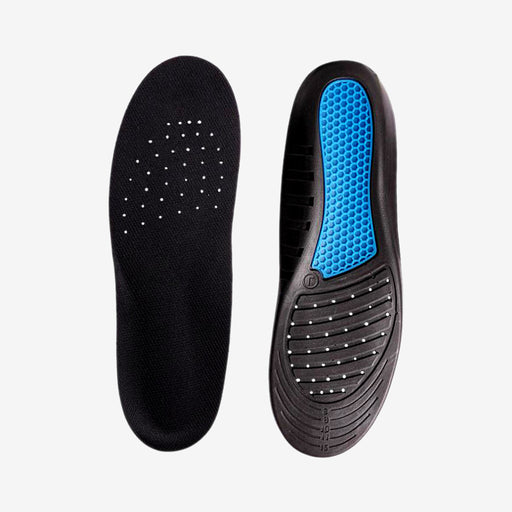
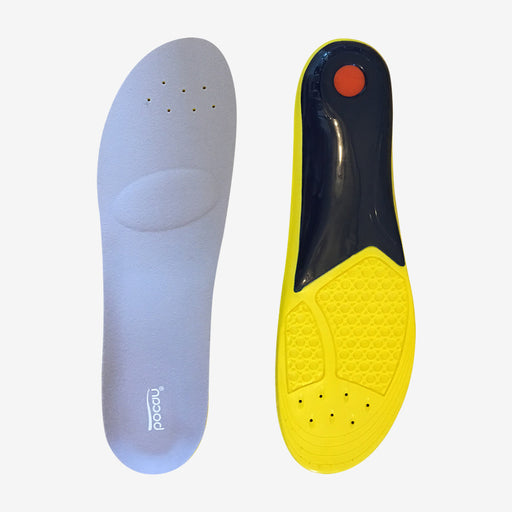
Plantar fasciitis insoles combine shaped arch support with heel cushioning to help reduce strain beneath the foot and improve comfort when walking or standing. Our collection includes firm orthotic, cushioned, trimmable, half-length, running and slimline designs for everyday shoes, work footwear and trainers.

  • SoleRelief Flat Feet Insoles

    Original price £14.99 - Original price £14.99
    Original price
    £14.99
    £14.99 - £14.99
    Current price £14.99

    Provides optimal heel and arch support Relieves foot aches and pain by incorporating a lifted arch and cushioned heel cup Absorbs shocks and impac...

    View full details
  • SoleRelief Flat Feet Half Insoles

    Original price £12.99 - Original price £12.99
    Original price
    £12.99
    £12.99 - £12.99
    Current price £12.99

    Provides optimal support for the heel and arch to relieve foot aches and pain Ergonomic arch support (2.5cm high) Deep heel cup ensures stability ...

    View full details
  • UltraSupport Plantar Fasciitis Insoles

    Original price £24.99 - Original price £24.99
    Original price
    £24.99
    £24.99 - £24.99
    Current price £24.99

    Provides maximum heel and arch support to relieve plantar fasciitis, flat feet and high arches Solid frame surrounding the heel and arch region fo...

    View full details
  • ComfortHeel Height Boosting Half Insoles

    Original price £9.99 - Original price £9.99
    Original price
    £9.99
    £9.99 - £9.99
    Current price £9.99

    Comfortably boosts your height by 1.5, 2.5 or 3.5cm High arch design provides better support for plantar fasciitis, flat feet and overpronation Sh...

    View full details
  • ComfortHeel Height Increase Half Insoles

    Original price £13.99 - Original price £13.99
    Original price
    £13.99
    £13.99 - £13.99
    Current price £13.99

    Increases your height comfortably by 2cm (small) or 2.5cm (large) – look taller and boost confidence Half insole design provides support to the he...

    View full details
  • SoleRelief Arch Support Cushioning Insoles

    Original price £14.99 - Original price £14.99
    Original price
    £14.99
    £14.99 - £14.99
    Current price £14.99

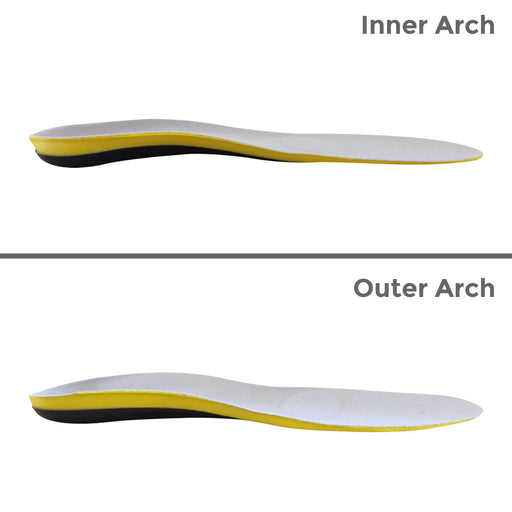
    Provides support to the inner and outer arches of the foot Ideal to relieve aches and pain caused by plantar fasciitis, flat feet or fallen arches...

    View full details
  • SoleRelief Trimmable Plantar Fasciitis Insoles

    Original price £14.99 - Original price £14.99
    Original price
    £14.99
    £14.99 - £14.99
    Current price £14.99

    Relieves foot pain from plantar fasciitis, flat feet, high arches and overpronation Solid orthotic heel and arch support helps to maintain the nat...

    View full details
  • SoleRelief Orthotic Overpronation Insoles

    Original price £19.99 - Original price £19.99
    Original price
    £19.99
    £19.99 - £19.99
    Current price £19.99

    High arch design provides optimal overpronation arch support Solid heel and arch orthotic under frame supports the natural foot form Enhanced foot...

    View full details
  • PeakPro Shock Absorbing Sports Insoles

    Original price £14.99 - Original price £14.99
    Original price
    £14.99
    £14.99 - £14.99
    Current price £14.99

    Maximum shock absorption due to its all gel construction Gel bubbles at the heel and metatarsal region to absorb micro-shocks Mid-height arch supp...

    View full details
  • PeakPro Arch Support Running Insoles

    Original price £24.99 - Original price £24.99
    Original price
    £24.99
    £24.99 - £24.99
    Current price £24.99

    High density and low compression PORON® foam layer provides optimal shock absorption and sustained comfort Solid heel and arch frame construction ...

    View full details
  • PeakPro Orthotic Sports Insoles

    Original price £16.99 - Original price £16.99
    Original price
    £16.99
    £16.99 - £16.99
    Current price £16.99

    All gel construction provides enhanced shock absorption and impact cushioning Optimal high arch support for better natural movement and foot suppo...

    View full details
  • UltraSupport Plantar Fasciitis Half Insoles

    Original price £29.99
    Original price £29.99 - Original price £29.99
    Original price £29.99
    Current price £19.99
    £19.99 - £19.99
    Current price £19.99

    Pain relief and recovery insoles for plantar fasciitis, overpronation, flat feet and more High contoured arch provides optimal arch support Strong...

    View full details
  • Trimmable Plantar Fasciitis Orthotic Insoles

    Original price £32.99
    Original price £32.99 - Original price £32.99
    Original price £32.99
    £24.99 - £32.99
    £24.99 - £32.99
    Current price £24.99

    Relieves pain and treats plantar fasciitis, flat feet and overpronation with a balanced rigid and cushioned construction Hard orthotic heel and ar...

    View full details
  • UltraSupport Plantar Fasciitis Leather Insoles

    Original price £22.99 - Original price £22.99
    Original price
    £22.99
    £22.99 - £22.99
    Current price £22.99

    Rigid arch support base helps to reduce strain on the plantar fascia ligament Relieves heel and arch pain by promoting proper foot alignment Shock...

    View full details
  • Scholl Plantar Fasciitis Pain Relief Insoles

    Original price £22.99 - Original price £22.99
    Original price
    £22.99
    £22.99 - £22.99
    Current price £22.99

    Clinically proven full length orthotic insoles designed to relieve plantar fasciitis pain Contoured arch support and reinforced heel cup reduces s...

    View full details
  • SoleRelief Memory Foam Insoles

    Original price £14.99
    Original price £14.99 - Original price £14.99
    Original price £14.99
    Current price £11.99
    £11.99 - £11.99
    Current price £11.99

    Shock-absorbing memory foam cushions your feet with each step Reduces stress on your ankles, knees and lower back by effectively distributing body...

    View full details
  • Powerstep Original Insoles

    Original price £49.99 - Original price £49.99
    Original price
    £49.99
    £49.99 - £49.99
    Current price £49.99

    Relieves foot pain associated with conditions including plantar fasciitis, flat feet, Achilles Tendonitis, ankle, knee and hip and lower back pain...

    View full details
  • SoleRelief Orthotic Arch & Heel Support Insoles

    Original price £16.99
    Original price £16.99 - Original price £16.99
    Original price £16.99
    Current price £12.99
    £12.99 - £12.99
    Current price £12.99

    Provides pain relief for plantar fasciitis, flat feet, overpronation and other arch and heel conditions Rigid frame surrounding the arch and heel ...

    View full details
  • Powerstep Pinnacle Insoles

    Original price £54.99 - Original price £54.99
    Original price
    £54.99
    £54.99 - £54.99
    Current price £54.99

    Prevents and relieves foot pain and symptoms relating to plantar fasciitis, flat feet, overpronation and other common foot conditions Designed to ...

    View full details
  • Powerstep Powerkids Paediatric Orthotic Support Insoles

    Original price £29.99 - Original price £29.99
    Original price
    £29.99
    £29.99 - £29.99
    Current price £29.99

    Supports pediatric foot growth and reduces the risk of developing foot conditions such as flat feet and overpronation Integrated contoured arch su...

    View full details

Guide to Choosing Plantar Fasciitis Insoles

The plantar fascia is a strong band of tissue that runs from the heel towards the toes and helps support the arch. When it becomes irritated or overloaded, pain is commonly felt beneath the heel or along the arch, particularly during the first few steps after sleeping or resting.

Supportive insoles can provide a more stable and cushioned surface beneath the foot. They may help reduce discomfort, but they are normally most effective when used alongside supportive footwear, suitable exercises and changes to activities that aggravate the condition.

Find the Right Style for Your Feet

Different designs balance arch support, heel cushioning and flexibility in different ways. Consider the firmness you prefer, how much space your shoes provide and the activities for which the insoles will be worn.

Firm Orthotic Support

A semi-rigid or rigid frame beneath the heel and arch helps the insole retain its shape under body weight. This provides more structured support than soft foam alone and may reduce unwanted movement inside the shoe.

Many orthotic designs also feature a contoured heel cup and a cushioned top layer, combining firmness beneath the arch with greater comfort underfoot.

Consider this type for:

  • More noticeable arch and heel support
  • Plantar fasciitis accompanied by flat feet or overpronation
  • Work or everyday footwear
  • People who need support that retains its shape

Cushioned Support Insoles

Layers of foam, gel or memory foam provide a softer feel beneath the sole while still offering some support through the arch. These may suit people who find rigid orthotics too intrusive or whose discomfort is aggravated by hard flooring and prolonged standing.

Cushioning alone may compress with regular use, so check that the design provides enough arch structure for your needs.

Consider this type for:

  • Tired or sensitive feet
  • Walking and standing on firm surfaces
  • People who prefer gentler support
  • Shoes with a hard or minimally padded footbed

Full-Length and Trim-to-Fit Insoles

Coverage from the heel through to the toes allows these designs to support and cushion the entire sole. Many replace the shoe’s existing removable footbed and can be trimmed around the forefoot for a more accurate fit.

Full-length models are particularly practical in trainers, work shoes and walking footwear with sufficient internal depth.

Consider this type for:

  • Cushioning across the heel, arch and forefoot
  • Replacing a worn or unsupportive shoe insole
  • Footwear with removable footbeds
  • Everyday use across several hours

Half-Length and Three-Quarter Length Insoles

A shorter profile supports the heel and arch without adding another layer beneath the toes. This can make the insole easier to fit into footwear with limited forefoot space or a fixed existing footbed. The front edge should lie smoothly beneath the foot and must not create an uncomfortable ridge.

Consider this type for:

  • Targeted heel and arch support
  • Shoes with limited space around the toes
  • Footwear with non-removable insoles
  • People who do not require forefoot cushioning

Running and Sports Insoles

For running and other higher-impact activities, resilient foam, gel cushioning and a supportive frame can help soften repeated impact and keep the foot more stable inside the trainer.

The insole should remain securely positioned during movement. Become comfortable wearing it for ordinary walking before progressing to running, jumping or longer training sessions.

Consider this type for:

  • Running and gym activities
  • Sports involving repeated impact
  • Active lifestyles
  • Trainers requiring additional support and cushioning

How Plantar Fasciitis Insoles May Help

A suitable insole provides support beneath the areas commonly affected by plantar fasciitis. Depending on its construction, it may offer the following benefits.

  • Support the Arch – A contoured shape makes contact beneath the arch, helping provide a more supportive base during standing and walking. Arch-supporting insoles may reduce plantar heel pain for some people.
  • Cushion the Heel – Foam, gel and other shock-absorbing materials can soften contact beneath the heel. This may improve comfort when walking on hard surfaces or spending long periods on your feet.
  • Spread Pressure Across the Foot – Combining structure with cushioning can distribute pressure more evenly across the heel, arch and forefoot rather than allowing it to remain concentrated beneath one sensitive area. Foot orthoses are commonly used to redistribute pressure and relieve painful areas during wear.
  • Improve Stability Inside the Shoe – A firm arch section and shaped heel cup can help hold the rear of the foot more securely. This may be useful when plantar fasciitis occurs alongside low arches or excessive inward rolling.
  • Make Daily Activity More Comfortable – Greater support and cushioning may make everyday walking, work and prolonged standing feel more manageable. Insoles should not be used to push through worsening pain or replace appropriate rest and rehabilitation.

Features to Compare Before Buying

The most expensive or firmest insole is not automatically the most suitable. Focus on how well its shape, construction and size match your feet and footwear.

Where Is the Pain?

Plantar fasciitis commonly causes discomfort beneath the heel and arch. If most of your pain is concentrated under the heel, prioritise cushioning and a supportive heel cup. When symptoms extend along the arch, a more substantial arch contour may be preferable.

What Is Your Arch Shape?

Plantar fasciitis can affect people with different foot shapes. Lower arches may feel more comfortable with broad, structured support, while higher arches may need a more raised contour that fills the space beneath the foot. The support should follow your arch rather than press sharply into it.

How Firm Should It Be?

Soft materials prioritise cushioning, whereas rigid and semi-rigid frames retain their shape and provide stronger support. Many people prefer a combined design with a firm base and a cushioned upper layer. The correct level should feel supportive but not painful.

Does It Have a Supportive Heel Cup?

A contoured heel cup surrounds the rear of the foot and can help keep it centred over the insole. Deeper designs generally provide a more secure feeling but require additional space inside the shoe.

Will It Fit Your Shoes?

Check whether your footwear has:

  • A removable existing footbed
  • Enough internal depth
  • A secure heel counter
  • Laces, straps or another fastening
  • Sufficient room around the toes

Supportive shoes with cushioned heels and good arch support are recommended as part of plantar fasciitis self-care.

What Will You Use It For?

An everyday work insole may prioritise durability and prolonged comfort, while a running insole needs to remain stable during faster movement and repeated impact. Slimmer designs are usually more practical in formal footwear.

Fitting and Wearing Your Insoles

Follow these steps to introduce your insoles comfortably and prevent problems caused by poor positioning or an overly tight shoe.

  • Check Whether the Original Insole Should Be Removed – Most full-length replacement insoles work best when the shoe’s removable footbed is taken out first. Leaving both layers inside can reduce space and place excessive pressure on the toes. Half-length and slimmer designs may sit over a fixed footbed when enough room remains.
  • Trim Only Where Intended – When fitting a trimmable design, use the shoe’s original insole as a template and remove small amounts from the forefoot at a time. Only alter the areas intended for trimming. Avoid cutting into the structured arch section or heel cup unless the manufacturer specifically states that these areas can be adjusted.
  • Allow Time to Adjust – Begin with a short period of wear and gradually increase the duration as your feet adapt. NHS orthotic guidance recommends a gradual introduction rather than immediately wearing unfamiliar insoles throughout an entire working day or sports session.
  • Wear Them in Supportive Footwear – The insole should lie completely flat without curling or sliding. Fasten the footwear securely and check that the additional thickness has not compressed the toes or caused the heel to lift out of the shoe.
  • Use Matching Insoles – Unless a healthcare professional has advised otherwise, fit the corresponding insole in each shoe to maintain a consistent feel beneath both feet.
  • Introduce Exercise Carefully – Become comfortable walking in the insoles before using them for running, gym training or strenuous exercise. Stop and check the fit if they move, create new pressure points or affect your stability.
  • Keep Them Clean and Dry – Follow the care instructions for the individual materials. Many designs can be wiped with a damp cloth and left to dry naturally. Avoid radiators, hairdryers and other direct heat, which may damage foam or distort a structured frame.
  • Pay Attention to New Symptoms – A different pressure pattern may feel unfamiliar initially, but the insoles should not cause sharp pain, numbness, persistent rubbing or increasing discomfort. Discontinue use if these symptoms occur and consult a podiatrist or another qualified healthcare professional.

Insoles as Part of Plantar Fasciitis Care

Insoles can support and cushion the foot, but they address only one part of plantar fasciitis management. NHS guidance also recommends supportive footwear, avoiding prolonged standing where possible and regularly stretching the sole of the foot and heel. Activity may need to be reduced temporarily when walking or exercise repeatedly aggravates symptoms.

Other measures may include:

  • Wearing shoes with cushioned heels and reliable arch support
  • Avoiding barefoot walking on hard floors
  • Temporarily reducing activities that increase the pain
  • Performing suitable plantar fascia and calf exercises
  • Using a heel pad or foot roller where appropriate
  • Seeking professional advice when symptoms persist

Insoles, Heel Cups or Arch Support Inserts?

Each product supports a different area of the foot.

  • Plantar fasciitis insoles extend beneath most or all of the sole, combining arch support with heel cushioning and broader pressure distribution.
  • Heel cups sit beneath the rear of the foot and focus primarily on cushioning the heel. They may be useful when discomfort is highly localised, but they provide less support beneath the arch.
  • Arch support inserts cover only the middle and rear of the foot. Their compact shape may suit footwear that cannot accommodate a full-length replacement.

Choose according to where you need support and how much room is available inside your shoes.

Frequently Asked Questions

Do plantar fasciitis insoles work?

Arch-supporting insoles may help reduce discomfort for some people by supporting the foot and cushioning the heel. Results vary, and insoles should usually form part of a broader plan that includes suitable footwear, exercises and activity management.

What type of insole is best for plantar fasciitis?

Look for a design that combines comfortable arch support with heel cushioning and fits securely inside your footwear. The ideal firmness, length and contour depend on your arch shape, symptoms and preferred shoes.

Are firm or soft insoles better?

Firm designs provide more structured support, while softer materials prioritise cushioning. A firm base with a padded upper layer often provides a useful balance, but neither type is universally best.

Can people with flat feet use them?

Yes. When plantar fasciitis occurs alongside flat feet or overpronation, a broader and more structured arch section may provide greater support than cushioning alone.

Are they suitable for high arches?

They can be, provided the contour makes comfortable contact beneath the higher arch. A design that is too low may leave the arch unsupported, while one that is excessively raised can create unwanted pressure.

Should I choose full-length or half-length insoles?

Full-length insoles provide cushioning beneath the whole foot and are well suited to shoes with removable footbeds. Half-length designs take up less space and may fit footwear with a fixed insole or limited room beneath the toes.

Can I wear plantar fasciitis insoles all day?

Many people can wear them for extended periods once their feet have adjusted. Begin gradually and increase the duration only while the insoles remain comfortable.

Should I remove the original shoe insole?

Remove the existing removable footbed when fitting most full-length replacement insoles. Keeping both layers can make the shoe too tight. A compact or half-length design may sit on top when sufficient space remains.

Can I run in plantar fasciitis insoles?

Some designs are made for running and sports, but you should first become comfortable wearing them during ordinary walking. Reduce or stop the activity if running causes increased pain, and seek professional advice when symptoms persist.

Do insoles cure plantar fasciitis?

Insoles may support the foot and reduce symptoms during wear, but they do not guarantee a permanent cure. Plantar fasciitis commonly requires a combination of time, supportive footwear, stretching, strengthening and sensible activity management.

When should I seek medical advice?

See a GP or qualified foot specialist if the pain is severe, worsening, repeatedly returning or has not improved after around two weeks of self-care. Seek advice sooner if you experience tingling or loss of sensation, or if you have diabetes and develop foot pain.