
Can Plantar Fasciitis Go Away On Its Own?

The short answer is yes, plantar fasciitis can go away on its own but how long it takes depends on the severity and how you care for it.
In this article we’ll explain the conditions that lead to a quicker recovery and the reasons why plantar fasciitis often doesn’t heal on its own.
Can It Go Away Without Treatment?
Sometimes, yes. Mild cases may improve naturally over weeks to a few months as the inflammation settles and the plantar fascia heals. However, without proper care, it can linger for 6-18 months or even become chronic.
Why It Often Doesn’t Heal Quickly on Its Own
The plantar fascia is a thick ligament with limited blood flow, intended to support the foot arch. Daily activities like standing, walking and especially first-step pressure in the morning repeatedly stress the tissue. If nothing changes in your routine, then the irritation can continue.
Plantar fasciitis heals slowly because the plantar fascia is a thick ligament with limited blood flow. Daily pressure from standing and walking can repeatedly irritate it unless you actively reduce the strain.
What Helps It Heal Faster (At Home)
These often accelerate recovery or prevent chronic issues:
- Rest & Activity Modification – Reduce long walks, running or prolonged standing temporarily. Switch to low-impact exercise such as cycling and swimming. The less pressure you place on your feet, the better.
- Stretching – Regular stretches 2-3 times a day reduces tension on the plantar fascia and improves flexibility of the calf muscles (tight calves are a major trigger). Performing calf stretches and a plantar fascia stretch (e.g. rolling foot over a ball) will have a positive impact.
- Footwear Changes – Wearing footwear that has good heel and arch support. Avoid flat shoes or walking barefoot on hard floors.
- Supportive Inserts – If your footwear doesn’t have adequate support, insoles and inserts that support the arch and heel are required.
- Ice Therapy – Apply ice (e.g. frozen water bottle, ice pack or foot wrap) after activity or during early flare-ups. This helps to reduce inflammation, numb pain signals and limit further tissue damage.
Our Best Arch & Heel Support Insoles
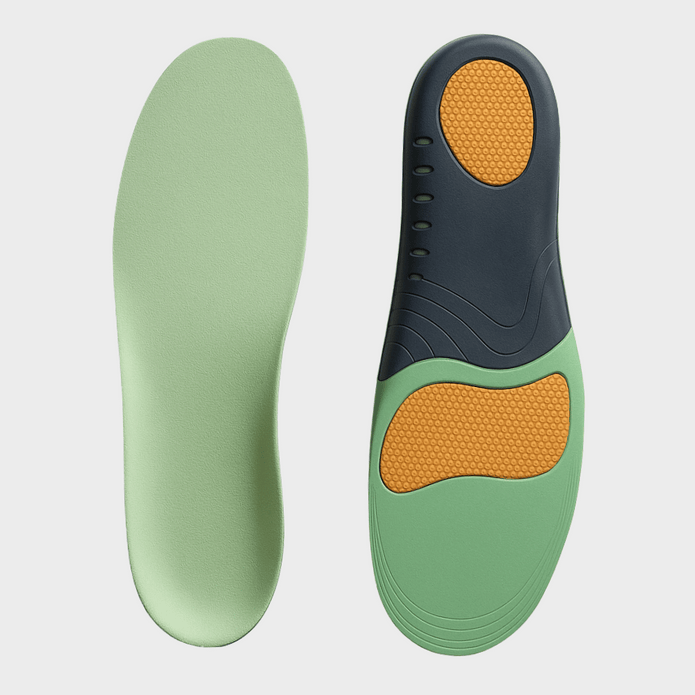
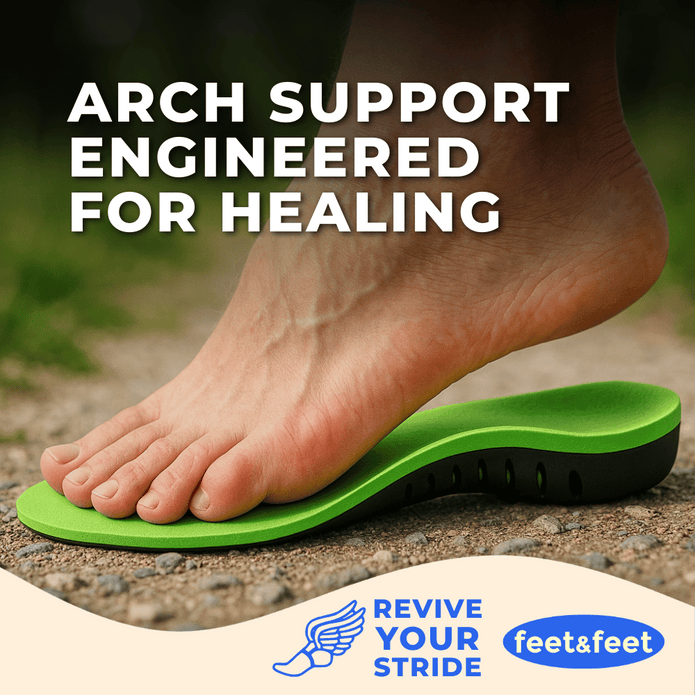
UltraSupport Plantar Fasciitis Insoles
View Product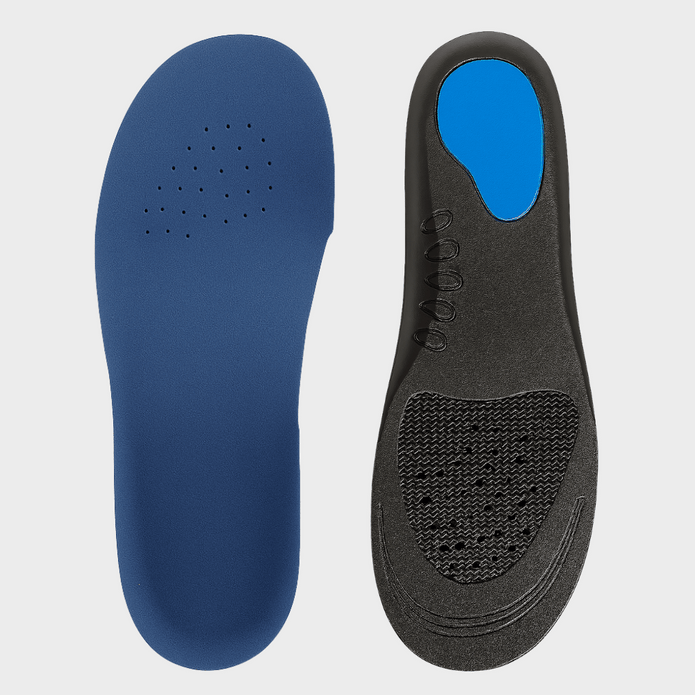

SoleRelief Flat Feet Insoles
View ProductWhen to See a Professional
If you haven’t seen a professional to get an evaluation and diagnosis for plantar fasciitis, the following signs should prompt you to do so:
- Pain lasts longer than 6–8 weeks
- Pain is severe or worsening
- You have numbness or tingling
- It affects your ability to walk
A clinician may recommend physical therapy, night splints, injections or other treatments if conservative care isn’t enough.
Typical Plantar Fasciitis Recovery Timeline
Recovery time for plantar fasciitis varies a lot, but here are the realistic timelines based on how severe the condition is and whether you treat it:
- Mild Cases (2-6 weeks) – If symptoms are recent and you begin basic treatment (stretching, rest, supportive shoes), improvement often comes fairly quickly.
- Moderate Cases (6-12 weeks) – This is the most common. With consistent home treatment, most people see steady improvement over a few months.
- Chronic/Severe Cases (3-12 months+) – If the condition has been ongoing for months, if there’s significant heel pain in the morning, or if you’ve been walking/running heavily, recovery can take much longer.
To conclude, plantar fasciitis can resolve on its own, but it often improves faster with simple home care. Ignoring it may prolong recovery significantly, so early treatment helps prevent long-term pain.


Leave a comment