
Do Cortisone Injections Help Plantar Fasciitis?

Cortisone (corticosteroid) injections can help plantar fasciitis, but they come with important limitations and risks which we’ll discuss in this article, along with how the injection works and what alternatives there are.
It’s used by many doctors as a secondary treatment – typically if after stretching, orthotics and activity modification haven’t relieved pain.
It’s popular because:
- The injection offers quick pain relief
- Appointments are short and widely available
- They can help people return to normal activities faster
How it Works
A cortisone injection contains:
- Corticosteroid medication (reduces inflammation and irritation) – Usually triamcinolone, methylprednisolone or betamethasone.
- A local anesthetic such as lidocaine or bupivacaine – Provides immediate numbness/short-term relief before the steroid takes effect.
The injection delivered to soft tissue, joint or tendon to reduce inflammation and pain.
Effects:
- Fast pain relief (a few days)
- Reduced swelling
- Temporary improvement, lasting weeks to a few months
Keep in mind that cortisone does not repair the underlying tissue damage. In the case of plantar fasciitis, it does not heal the underlying cause of plantar fasciitis (tight fascia and biomechanical strain).
Because of this pain may return once the medication wears off, therefore it’s not a long-term solution by itself. Most clinicians limit injections to 1-2 per year.
What the Injection Procedure Is Like
A typical cortisone injection appointment:
- The area is cleaned and sometimes numbed.
- The doctor uses palpation or ultrasound guidance to find the correct spot.
- The steroid and anaesthetic mixture is injected near (not always into) the plantar fascia.
- You may feel pressure or a brief burning sensation.
- The heel may be numb for a couple of hours.
You can usually walk afterward but may need to rest for the day.
How Long Does It Last?
- Relief from the anaesthetic – within a few hours
- Cortisone effect – within 2–7 days
- Pain relief duration – 2-10 weeks
Risks of Cortisone Injections
Just like with all medical procedures, there are risks and complications. However, most of the following are uncommon but important to know:
- Plantar fascia rupture (serious but rare)
- Fat-pad atrophy (loss of heel cushioning)
- Temporary “cortisone flare” (pain spike for 24–48 hours)
- Skin lightening or thinning at injection site
For these reasons, doctors limit how often you can receive cortisone injections, which are usually considered when:
- Pain is intense and limiting daily activities
- Quick relief is needed to restore mobility
- Conservative treatments haven’t worked (stretching, orthotics, night splints, NSAIDs, physical therapy)
- Imaging shows significant inflammation
Effective Alternatives
Let’s take a look at some effective alternatives that are recommended by doctors and podiatrists.
These methods are often more effective in the long-term and most people have improved with non-invasive treatments:
1. Targeted Stretching (Calf + Plantar Fascia)
One of the single most effective long-term treatment is targeted stretching of the calf and plantar fascia. It reduces tension on the fascia and promotes healing.
Key stretches:
- Plantar fascia stretch (cross one leg over the other and pull the toes back)
- Wall calf stretch (both bent-knee and straight-knee)
- Towel stretch
Perform these stretches 2-3 times daily for best results.
2. Orthotics & Proper Footwear
Having the correct footwear fixes biomechanical stress on the heel, so you should consider the following options:
- Over-the-counter arch and heel support insoles
- Custom orthotics if OTC isn’t having a significant impact
- Shoes with strong arch support and cushioning
Avoid flat, unsupportive shoes and barefoot walking.
Our Best Arch & Heel Support Insoles
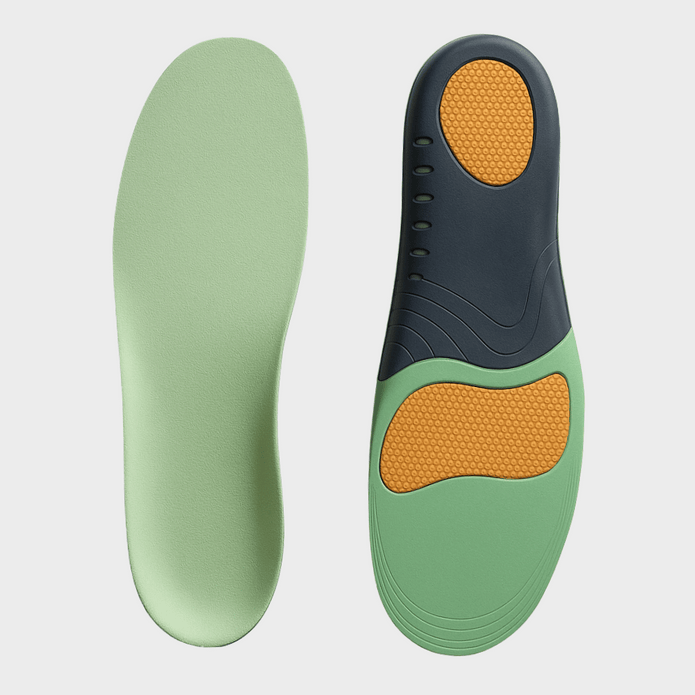
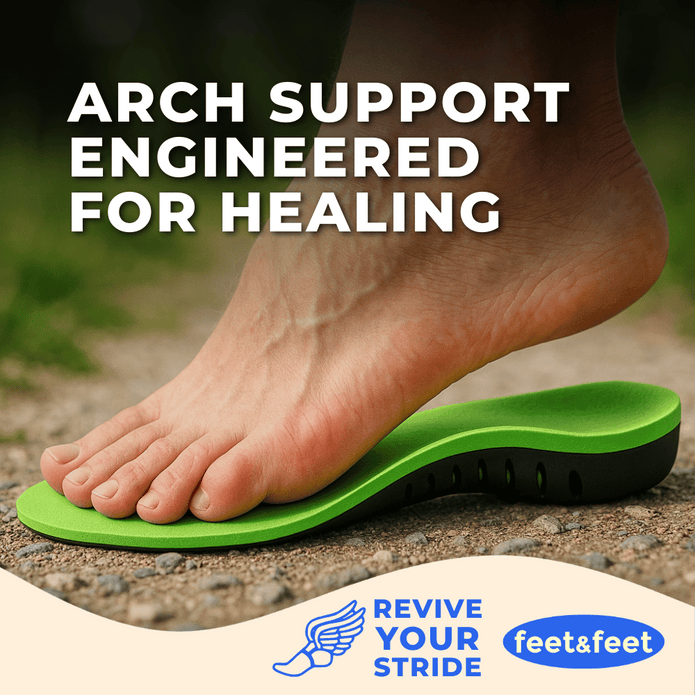
UltraSupport Plantar Fasciitis Insoles
View Product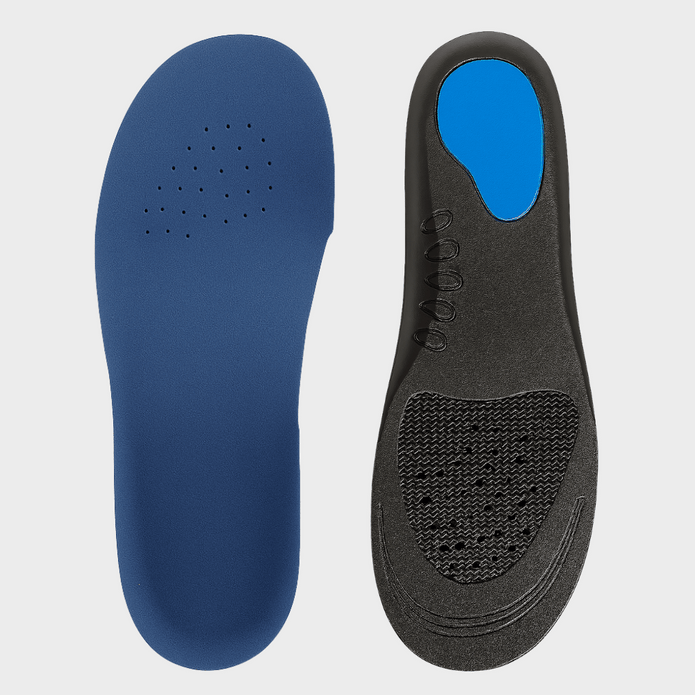
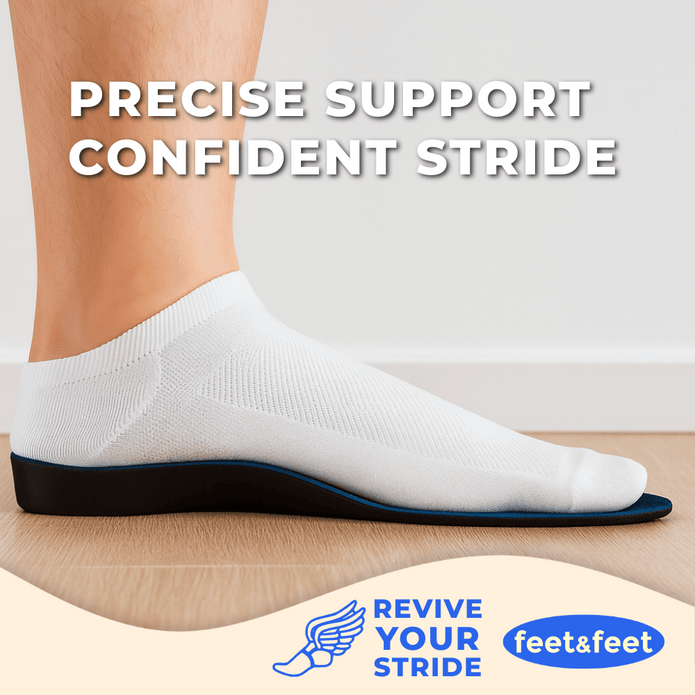
SoleRelief Flat Feet Insoles
View Product3. Night Splints
Night splints can keep the plantar fascia stretched overnight. This is great for managing morning heel pain but requires patience to get used to.
4. Activity Modification
Temporarily reduce activities that strain the fascia including:
- Running or prolonged standing
- Hard surfaces
- High-impact exercise
Switch to low-impact exercises such as cycling, swimming and rowing, until your feet have regained their strength and structure, and you’re not experiencing pain.
5. Ice & NSAIDs
An ice massage (e.g. a frozen water bottle roll) and non-steroidal anti-inflammatory drugs/NSAIDs like ibuprofen, help with inflammation and pain in early stages.
Second-Line Alternatives
If the above alternatives do not work, then you may want to explore the following plantar fasciitis treatments.
1. Physical Therapy
A physical therapist can guide you with:
- Strengthening exercises
- Manual therapy
- Taping (e.g., low-dye taping)
- Gait correction
Their methods of treatment often accelerate recovery significantly.
2. Shockwave Therapy (ESWT)
One of the best options for chronic plantar fasciitis (lasting >3–6 months) is shockwave therapy which promotes tissue healing. The treatment is non-invasive, has no downtime and can provide excellent long-term results
3. Platelet-Rich Plasma (PRP) Injection
This method uses your own blood platelets to stimulate healing. Compared to cortisone injections it takes longer to work but can offer better long-term improvement. This is often explored for persistent cases.
4. Tenex/TenJet (Percutaneous Fasciotomy)
This is an advanced but minimally invasive ultrasound-guided procedure to break down damaged tissue. This rare procedure is suited for chronic and severe cases.
5. Surgery (Plantar Fasciotomy)
Surgery is usually only considered as a last resort after 9-12 months of failed conservative treatments. Most people would never need this type of surgery which will come with its own risks and complications.
Conclusion
Yes, cortisone injections can help treat plantar fasciitis primarily by relieving pain quickly, but they don’t fix the underlying problem and carry risks, so they’re usually reserved for stubborn or severe cases and combined with long-term conservative therapy.
With a consistent conservative treatment approach, the majority of people improve within 3-6 months using stretching, orthotics and night splints, while chronic cases may take 6-12 months, even with good treatment.


Leave a comment