Skip to content

Overpronation

Overpronation occurs when the foot rolls further inwards than usual during standing, walking or running, sometimes contributing to arch discomfort, fatigue or reduced stability. Our collection includes supportive insoles, arch supports, foot rollers, exercise aids and supportive footwear designed to improve comfort and provide greater support beneath the foot.

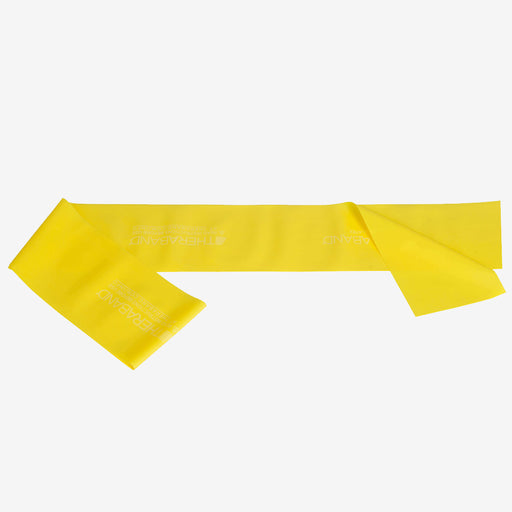
  • Exercise Resistance Bands

    Original price £3.99 - Original price £6.99
    Original price
    £3.99 - £6.99
    £3.99 - £6.99
    Current price £3.99

    Designed to improve strength, mobility and reduce joint pain through effective exercises (clinically proven) Ideal for various foot and toe condit...

    View full details
  • Vibes Arch Support Flip Flops

    Original price £19.99
    Original price £19.99 - Original price £19.99
    Original price £19.99
    Current price £12.99
    £12.99 - £12.99
    Current price £12.99

    Shock absorbing lightweight and chunky 2.5cm all-round springy rubber construction Contoured footbed provides ergonomic arch support Slip-resistan...

    View full details

Overpronation Buying Guide

Pronation is a normal part of walking and running. As the foot meets the ground, it naturally moves slightly inwards to help absorb impact and adapt to the surface beneath you.

Overpronation describes this movement becoming more pronounced, with the foot and ankle moving further inwards during weight-bearing. It is commonly associated with low or flat arches, although people with other arch shapes can also overpronate.

Not everyone who overpronates experiences problems. Support products are generally most useful when the movement is accompanied by foot fatigue, arch or heel discomfort, instability or difficulty finding comfortable footwear.

Insoles and other supports can influence foot position and improve comfort while they are being worn, but they should not be expected to permanently change the underlying structure or movement of the foot.

What Products Can Help With Overpronation?

The best option depends on how much support you need, where you experience discomfort and the footwear or activity involved.

Overpronation Insoles

Supportive insoles are one of the most common products used to manage overpronation.

A contoured insole for overpronation can provide support beneath the inner arch while helping to stabilise the heel inside the shoe. Depending on the design, it may also include shock-absorbing cushioning beneath the heel and forefoot.

Our collection includes full-length, half-length, trimmable, sports and firmer orthotic designs.

May suit:

  • Excessive inward movement of the foot
  • Tired or aching arches
  • Long periods of walking or standing
  • Footwear with little built-in support
  • People wanting greater heel and arch stability
  • Flat feet accompanied by overpronation

A supportive insole should feel secure without pressing painfully into the arch or forcing the foot into an uncomfortable position.
If insoles are your main priority, our dedicated Overpronation Insoles collection provides a more focused selection.

Arch Support Inserts, Sleeves & Braces

A full-length insole is not always necessary or practical.

Arch support inserts, gel pads, sleeves and braces provide more targeted support beneath the middle of the foot while taking up less space inside footwear.

May suit:

  • Targeted inner-arch support
  • Shoes with limited room for a full insole
  • People who prefer a smaller support
  • Mild arch fatigue during everyday activity
  • Occasional rather than full-time use

Softer gel supports primarily provide cushioning and contact beneath the arch, while firmer inserts generally offer more noticeable structure.

Supportive Footwear

Suitable footwear can help provide a stable base beneath an overpronating foot.

Trainers and other supportive shoes may include features such as a secure heel, a stable sole and enough internal space for an orthotic or supportive insole.

Our collection also includes supportive slides and flip flops with contoured footbeds for times when ordinary shoes are not being worn.

When choosing footwear, look for:

  • A secure fit around the heel
  • Enough room for the toes
  • Suitable cushioning
  • A stable sole
  • Comfortable arch support
  • Enough space for an insole where required

There is no single shoe type that is best for everyone, so comfort and fit remain important.

Foot Rollers & Massage Products

Foot rollers and massage balls can be used for self-massage after walking, standing or exercise.

They do not control pronation while you are moving, but they can be useful when your main concern is tired or tense feet. Our range includes wooden rollers, massage balls and other foot-massage products.

May suit:

  • Tired or aching arches
  • General foot fatigue
  • Home self-massage
  • Use alongside mobility or strengthening exercises

Use comfortable pressure and avoid repeatedly rolling over an area that becomes increasingly painful.

Exercise & Strengthening Aids

Exercise can form part of managing symptomatic overpronation by improving the strength and control of the feet and ankles.

Resistance bands, foot-strengthening devices and toe exercisers can be incorporated into suitable routines.

Exercises may focus on:

  • Foot and arch strength
  • Calf strength
  • Ankle control
  • Balance and stability
  • Toe strength
  • Foot and ankle mobility

The aim is not necessarily to eliminate natural pronation. Instead, exercises can help improve strength, control and tolerance to everyday or sporting activity.

Overpronation vs Flat Feet: What’s the Difference?

Although the terms are often used together, overpronation and flat feet are not the same thing.

Flat feet describe the shape or height of the arch, particularly when standing. Overpronation refers to how the foot moves, with greater inward movement occurring as weight passes through it.

Many people with low arches also overpronate, but the two do not always occur together. Someone can have naturally flat feet without troublesome inward movement, while overpronation can also occur in a foot with a more visible arch.

If your main concern is supporting a low or fallen arch rather than controlling excessive movement, products from our Flat Feet range may be more appropriate.

Common Problems Associated With Overpronation

Overpronation does not automatically cause pain or injury. When symptoms are present, however, they may affect different areas of the foot.

  • Arch & Foot Fatigue – Greater inward movement can place additional demand on the structures supporting the arch, which may contribute to aching or tired feet during prolonged activity. A supportive insole or arch support may provide a more stable surface beneath the foot.
  • Heel & Plantar Fascia Discomfort – People who overpronate may also experience discomfort around the heel and plantar fascia. Where pain is concentrated beneath the heel or is particularly noticeable during the first steps after resting, plantar fasciitis may need to be considered separately.
  • Flat or Low Arches – Overpronation commonly occurs alongside flat feet. Where both are present, an insole that combines structured arch support with heel stability may be preferable to cushioning alone.

How to Choose the Right Support for Overpronation

  • Best for Everyday Walking & Standing – A full-length supportive insole is a practical option when you want support beneath the heel and arch throughout the day. Choose a design that fits securely inside your footwear without making the shoes too tight.
  • Best for Firmer Support – A structured orthotic insole may suit people who want a more noticeable level of arch support and heel stability. The support should feel firm but comfortable rather than creating excessive pressure beneath the arch.
  • Best for Shoes With Limited Space – A half-length insole or targeted arch insert can support the heel and middle of the foot without adding extra material beneath the toes. These can be useful in footwear with a fixed footbed or limited forefoot space.
  • Best for Running & Sport – For higher-impact activity, look for an insole that combines arch support, heel stability and shock absorption while staying securely positioned inside your trainers. Introduce new insoles gradually before using them for longer runs or intensive exercise.

Managing Symptomatic Overpronation

Overpronation that causes no discomfort may not require treatment. When symptoms develop, management generally focuses on improving comfort, providing appropriate support and building foot and ankle strength.

Useful measures may include:

  • Wearing comfortable, supportive footwear
  • Using suitable insoles or arch supports
  • Strengthening the feet and ankles
  • Improving balance and lower-limb control
  • Performing appropriate mobility exercises
  • Gradually increasing walking, running or exercise
  • Modifying activities that repeatedly aggravate symptoms

If you begin using a new insole or orthotic, build up the wearing time gradually so your feet can adjust.

The support should not cause sharp pain, numbness or persistent new discomfort. Stop using it and consider professional advice if these symptoms develop.

Frequently Asked Questions About Overpronation

What is overpronation?

Overpronation occurs when the foot moves further inwards than usual as weight passes through it during standing, walking or running.

A certain amount of pronation is completely normal and helps the foot absorb impact. It only becomes overpronation when this inward movement is more pronounced than expected.

How can I tell if I overpronate?

Possible signs can include noticeable inward movement around the ankle, shoes wearing more heavily along the inner edge, or recurring arch and foot fatigue.

However, shoe wear alone cannot reliably diagnose overpronation. A podiatrist, physiotherapist or other qualified professional can assess how your feet move while you walk or run.

Is overpronation the same as flat feet?

No. Flat feet describe the height and shape of the arch, while overpronation describes movement of the foot.

They frequently occur together, but it is possible to have flat feet without excessive inward movement or to overpronate without having completely flat arches.

Can insoles help overpronation?

Supportive insoles can help manage excessive inward movement while they are being worn by supporting the arch and providing greater stability around the heel.

They may also improve comfort and redistribute pressure beneath the foot. They do not permanently change the underlying structure of your feet.

What type of insole is best for overpronation?

There is no single best design for everyone.

A full-length orthotic insole provides broader support and may suit everyday walking, while a half-length design takes up less shoe space. Sports and running insoles may combine structured support with additional shock absorption.

Your footwear, activity and preferred level of firmness should guide your choice.

Can exercises help overpronation?

Exercises can help improve foot and ankle strength, balance and control.

Heel raises, foot-strengthening exercises and resistance work are commonly incorporated into routines for people who overpronate. The objective is generally to improve how well the foot controls movement rather than prevent normal pronation altogether.

Does overpronation cause plantar fasciitis?

Overpronation can alter the way load passes through the foot and may be one factor associated with plantar fascia discomfort.
However, plantar fasciitis has several possible contributing factors, and overpronation does not mean you will necessarily develop the condition.

When should I seek professional advice?

Consider speaking to a podiatrist, physiotherapist or GP if you have persistent or worsening foot pain, repeated ankle problems, difficulty walking or symptoms that continue despite changing your footwear or using appropriate support.

Assessment is also worthwhile if the shape or movement of one foot has recently changed, particularly when accompanied by weakness, swelling or significant discomfort.