Skip to content

Heel Spur

Heel spur products can help cushion the heel, absorb impact and provide additional support when walking or standing becomes uncomfortable. Our collection includes gel heel cups, cushioning pads, supportive insoles, orthotic inserts and foot rollers for different heel-support needs.

  • Podiatry Adhesive Cushion Pads

    Original price £4.99 - Original price £4.99
    Original price
    £4.99
    £4.99 - £4.99
    Current price £4.99

    Relieves pain and prevents irritation caused by bunions, corns and calluses Soft and comfortable 100% hypoallergenic foam pads Self-adhesive backi...

    View full details
  • Travel Wooden Foot Roller

    Original price £16.99 - Original price £16.99
    Original price
    £16.99
    £16.99 - £16.99
    Current price £16.99

    Relieves foot aches, cramps and pains by massaging and releasing trigger points within the foot Ideal for alleviating symptoms of plantar fasciiti...

    View full details
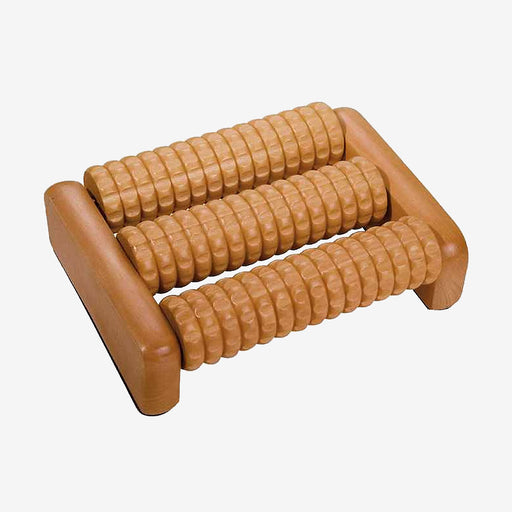
  • Twin Wooden Foot Roller

    Original price £21.99 - Original price £21.99
    Original price
    £21.99
    £21.99 - £21.99
    Current price £21.99

    Relieves foot aches, cramps and pains by massaging and releasing trigger points within the foot Ideal for alleviating symptoms of plantar fasciiti...

    View full details
  • Dual Layer Support Slide Sandals

    Original price £29.99
    Original price £29.99 - Original price £29.99
    Original price £29.99
    Current price £24.99
    £24.99 - £24.99
    Current price £24.99

    Optimised support and ergonomic slide sandals for comfort and foot pain relief Ideal for plantar fasciitis, flat feet, overpronation, arthritis, m...

    View full details
  • U-Shaped Adhesive Foam Cushion Pads

    Original price £4.99 - Original price £4.99
    Original price
    £4.99
    £4.99 - £4.99
    Current price £4.99

    Relieves pain and prevents irritation caused by corns and calluses Large and thick size provides maximum protection particularly on the palms of t...

    View full details

Heel Spur Buying Guide

A heel spur, also known as a calcaneal spur, is a bony projection that develops from the heel bone. Despite the name, heel spurs are not always painful and can be present without causing any symptoms.

When heel pain does occur, discomfort may be felt underneath the heel during walking or standing. However, the spur itself is not necessarily responsible for the pain. Heel spurs are frequently seen alongside plantar fasciitis and other forms of plantar heel pain, where irritation of the surrounding soft tissues is a more important source of symptoms.

For this reason, most products within our Heel Spur collection focus on cushioning the heel, absorbing impact and supporting the heel and arch rather than attempting to change the bony spur itself.

Which Products May Help With Heel Spur Pain?

The right option depends mainly on whether you need concentrated heel cushioning, broader arch support or something to complement stretching and mobility work.

Heel Cups and Cushion Pads

Heel cups sit directly beneath the rear of the foot and provide targeted cushioning around the area where heel pain is commonly felt.

Gel and silicone designs can soften impact during walking and standing, while deeper or contoured cups surround more of the heel and may provide a more secure fit. Our current collection includes honeycomb, U-shaped, deep and dual-density gel heel cups.

May suit:

  • Pain concentrated beneath the heel
  • Standing or walking on hard surfaces
  • Shoes that lack sufficient heel cushioning
  • People wanting targeted support without replacing the full insole

Supportive Insoles and Orthotic Inserts

When heel discomfort occurs alongside arch pain or plantar fasciitis, a supportive insole may offer more complete coverage than a heel cup alone.

Full-length and orthotic designs can combine a shaped arch with heel cushioning, helping support the middle of the foot while distributing pressure over a larger area.

Our range currently includes trimmable, structured and plantar-fasciitis-focused insoles alongside shorter orthotic inserts.

May suit:

  • Heel pain accompanied by arch discomfort
  • Plantar fasciitis symptoms
  • Footwear with limited built-in support
  • Longer periods of walking or standing

Half Insoles and Gel Inserts

A shorter insert sits beneath the heel and part of the arch without extending beneath the toes.

This can provide cushioning and support while taking up less room than a full-length insole. Several products in the collection use gel or silicone beneath the heel to absorb impact while also providing a raised or contoured arch section.

May suit:

  • Heel and rear-arch support
  • Shoes with limited space beneath the forefoot
  • People who find full-length insoles too bulky

Foot Roller Massagers

Foot rollers provide a simple way to massage the sole and can be incorporated into a stretching or mobility routine.

They do not cushion the heel during walking, but rolling beneath the foot can complement exercises aimed at the plantar fascia and surrounding muscles.

May suit:

  • Gentle self-massage
  • Foot stiffness after rest
  • Home mobility routines
  • People managing heel pain alongside stretching exercises

Use comfortable pressure rather than rolling aggressively across a very painful heel.

What to Consider Before Choosing

Not every person with a heel spur needs the same type of product. Consider where your discomfort occurs and what is already provided by your footwear.

Is the Pain Mainly Beneath the Heel?

If discomfort is highly concentrated beneath the rear of the foot, a heel cup or cushioning pad may provide the most direct support.

When pain also extends through the arch, an insole that combines heel cushioning with arch support may be more appropriate.

Do You Need Cushioning or More Structure?

Soft gel products place greater emphasis on impact absorption.
Structured orthotic insoles provide a firmer platform around the heel and arch while often incorporating cushioning over the pressure areas.

Neither is automatically better. Choose according to where you need support and what feels comfortable inside your shoes.

Will the Product Fit Your Footwear?

A thick heel cup or orthotic insole reduces the amount of room available inside the shoe.

Check that:

  • Your toes still have enough space
  • The heel remains securely contained
  • The insert lies flat without moving
  • The shoe can still be fastened comfortably

Supportive footwear with a cushioned sole is generally preferable when heel pain is present.

How Heel Spur Products May Help

Heel spur products are mainly intended to manage the pressure and discomfort associated with heel pain, rather than remove the bony spur.

  • Cushion the Heel – Gel, silicone and foam provide a softer surface beneath the heel and can reduce the harshness of repeated contact with the ground. This may be particularly useful during prolonged walking or standing.
  • Absorb Impact – Shock-absorbing materials can reduce the amount of impact felt beneath the rear of the foot with each step. Several heel cups and inserts in the current collection use gel, silicone or honeycomb structures specifically for this purpose.
  • Support the Heel and Arch – When heel pain is associated with plantar fascia irritation, supporting the arch as well as cushioning the heel may be useful.

Heel Spurs and Plantar Fasciitis

Heel spurs and plantar fasciitis are closely associated, but they are not the same condition.

A heel spur is a bony projection from the heel bone, while plantar fasciitis involves irritation of the plantar fascia running beneath the foot.

Importantly, a heel spur does not necessarily cause heel pain. NHS podiatry guidance notes that many people have heel spurs without symptoms, and research does not support assuming that the spur itself is responsible for plantar heel pain.

If your pain is particularly noticeable during the first few steps after sleeping or resting, or extends from the heel towards the arch, plantar fasciitis may be another condition worth considering.

Managing Heel Spur-Related Pain

Support products tend to work best alongside measures that reduce unnecessary strain on the heel.

Depending on the cause of your symptoms, this may include:

  • Wearing cushioned, supportive footwear
  • Using an appropriate heel pad or insole
  • Reducing prolonged walking or standing while symptoms are aggravated
  • Avoiding barefoot walking on hard surfaces
  • Performing gentle calf and foot stretches
  • Gradually returning to higher-impact activity
  • Using cold therapy where appropriate

NHS heel-pain guidance recommends several of these conservative measures before more invasive treatment is considered.

Frequently Asked Questions

What is a heel spur?

A heel spur is a bony projection that develops from the heel bone. It is often found on the underside of the heel and may be associated with repeated stress around the surrounding tissues.
Not every heel spur causes symptoms.

Do heel spurs always cause pain?

No. Many heel spurs are painless and are only discovered incidentally.

Where heel pain is present, the surrounding tissues — particularly the plantar fascia — may be responsible for the symptoms rather than the bony spur itself.

Are heel spurs and plantar fasciitis the same?

No. A heel spur is a bony growth from the heel bone, whereas plantar fasciitis affects the band of tissue running from the heel towards the toes.

They can occur together, but having one does not necessarily mean you have the other.

Are heel cups good for heel spurs?

Heel cups can provide cushioning beneath the rear of the foot and absorb some of the impact created during walking and standing.

They do not remove the spur, but they may improve comfort when pressure beneath the heel is contributing to symptoms.

Should I choose heel cups or insoles?

Choose heel cups when your main priority is concentrated cushioning beneath the heel.

A supportive insole may be preferable when you also require arch support, broader cushioning or support for associated plantar fasciitis symptoms.

Can exercises help heel spur pain?

Stretching and strengthening exercises may form part of conservative management, particularly where heel spur symptoms occur alongside plantar fascia or calf tightness.

Our Heel Spur guidance includes calf stretches, heel exercises and rolling beneath the foot among commonly used approaches.

Can a heel spur go away?

The bony spur itself may remain present even when symptoms improve. Conservative treatment is therefore generally focused on managing the painful tissues and reducing strain around the heel rather than trying to make the spur disappear.

When should I seek professional advice?

See a healthcare professional if heel pain is severe, worsening, repeatedly returning or has not improved after around two weeks of home treatment. Seek advice sooner if you have tingling or loss of sensation, or if you have diabetes and develop heel pain.

Learn More About Heel Spurs

For further information about heel spurs, heel pain and conservative treatment, explore our related guides: