
Which Type of Bunion Splint is the Best?

A bunion splint (aka. a bunion corrector or hallux valgus splint) is a removable brace that holds your big toe in a straighter position to reduce pressure on a bunion.
It’s a popular device for people with bunions and there is no shortage of designs to choose from – each varying in price and effectiveness. In this article, we’ll explore the different types of bunion splints and which one is suitable for your needs.
Bunion Splint Design
Most bunion splints share a commonality in design. Many of them will include:
- A brace or strap around the foot
- A separator between the big toe and second toe
- Sometimes a rigid hinge or bar to hold the toe straighter
- A soft padding for comfort
There are primarily two main styles:
- Day Splints – Softer, minimal design and can sometimes be worn in shoes.
- Night Splints – Bulkier, rigid and can be worn overnight for maximum alignment.
Our Bestselling Bunion Splints
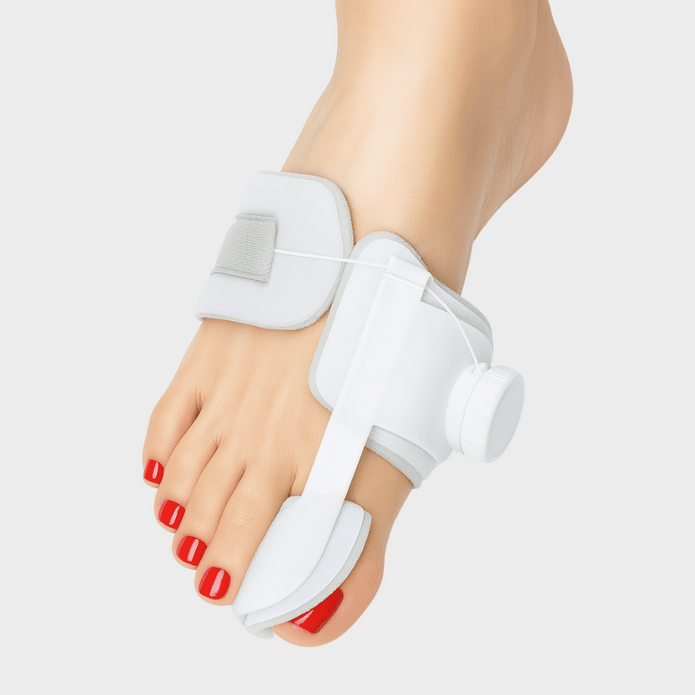
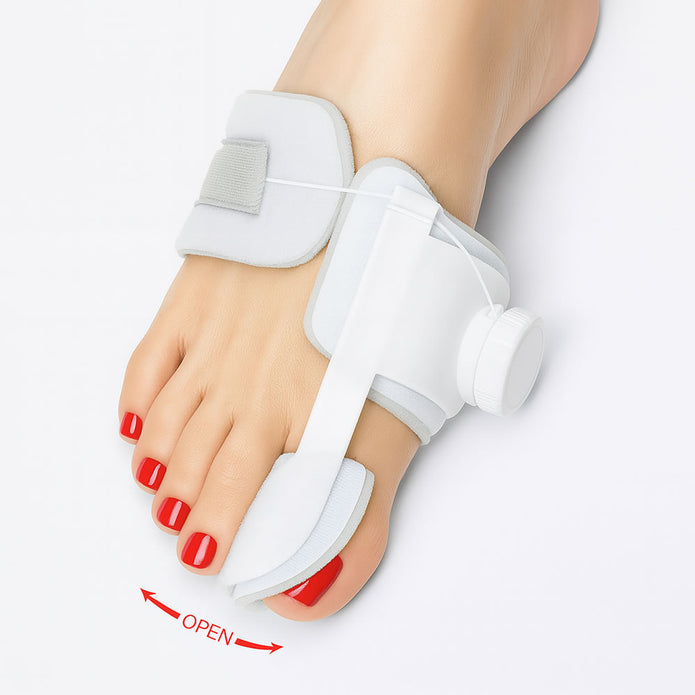
ActiveRestore Adjustable Bunion Corrector Splint
View Product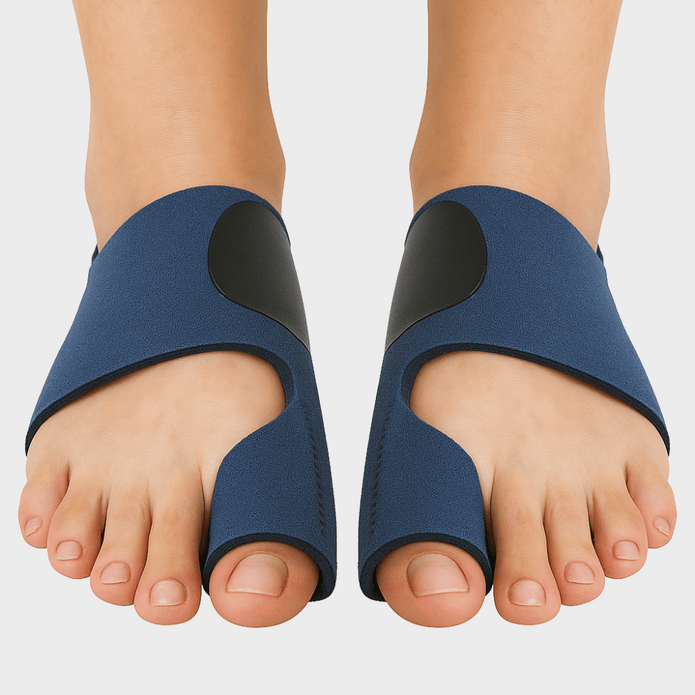
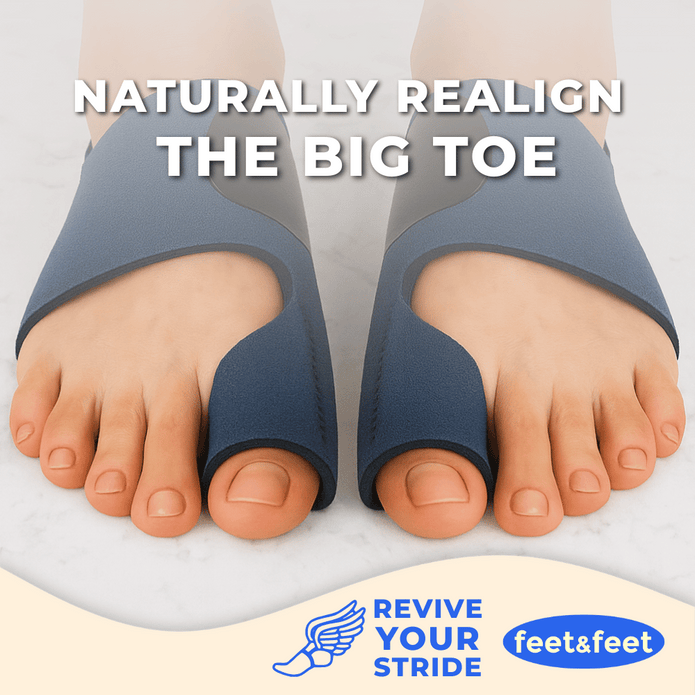
ActiveRestore Bunion Corrector Splints
View Product
What Can Bunion Splints Do
- Reduce pain and inflammation
- Improve comfort in shoes (reducing pressure and rubbing from footwear)
- Stop the big toe rubbing against the others
- Provide temporary alignment while worn
- Keeping the toe in a neutral position while resting
- Possibly slowing down bunion progression
The severity of the bunion, how long and how consistently you wear the splint and your foot anatomy all affect how well it works.
What Bunion Splints Cannot Do
A bunion splint cannot permanently reverse a bunion. It may slow down its progression, but it won’t correct the underlying bone position – only bunion surgery can do that.
If you have a mild bunion, a good splint can help reduce discomfort and maybe slow worsening, but don’t expect it to “fix” the bunion by itself.
What Makes a Good Bunion Splint?
When selecting a bunion splint, keep the following criteria in mind:
- Fit & Adjustability – Because the shape of your feet vary a lot, a splint that allows strap or angle adjustment is generally better.
- Comfort and Material – Soft, breathable materials will be easier to wear (important if you’ll keep it on for hours), while rigid materials give more correction but may be less comfortable.
-
Type/When to Wear:
- Day-splints or toe separators can fit inside shoes
- Night-splints are bulkier and can be used during the day or night while resting
- Purpose clarity – If your goal is pain relief and comfort, most splints can help. If your goal is long-term structural correction, any type of device is unlikely to achieve this.
- Footwear & usage – You’ll get better results if you also wear shoes with good support and a roomy toe-box while avoiding pointy and narrow shoes. A bunion splint alone is only part of bunion management and recovery.
We offer a varied range of bunion splints and bunion correctors to choose from – select your desired splint based on how you plan to wear the splint and consider wearing toe separators in addition to your overall treatment.


Leave a comment