Common Causes of Heel Pain
Achilles Tendinitis
Achilles tendinitis, increasingly referred to as Achilles tendinopathy, affects the tendon running from the calf muscles to the heel bone.
Pain is normally felt at the back of the heel or lower calf and may be accompanied by stiffness, tenderness or swelling. Symptoms can be particularly noticeable after rest or during activities that involve pushing through the toes, such as walking uphill or running.
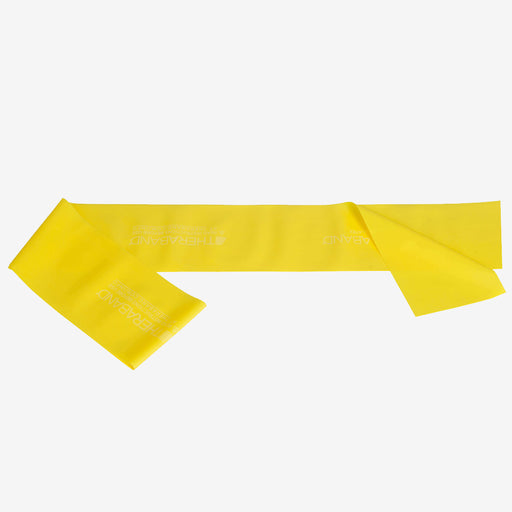
Our Achilles Tendinitis collection includes products such as heel lifts, supportive insoles, cushioning, ankle supports, cold therapy and exercise aids. These can help manage comfort or reduce strain while an appropriate strengthening programme addresses the tendon itself.
Consider Achilles tendinitis if:
- Pain is mainly at the back of your heel or ankle
- The tendon feels stiff after resting
- Walking, running or pushing onto your toes aggravates the area
- There is tenderness or swelling along the Achilles tendon
Plantar Fasciitis
One of the most common causes of heel pain is plantar fasciitis. It affects the plantar fascia, the strong band of tissue running along the underside of the foot.
Discomfort is commonly felt under the heel and may extend towards the arch. It is often most noticeable when taking the first few steps after waking or after sitting for a while, then may settle with movement before returning after longer periods of standing or walking.
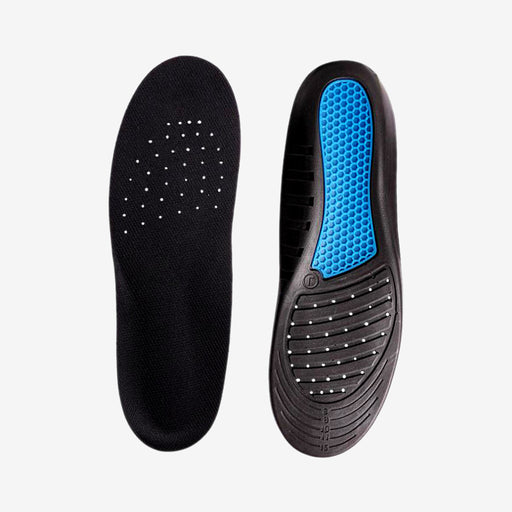
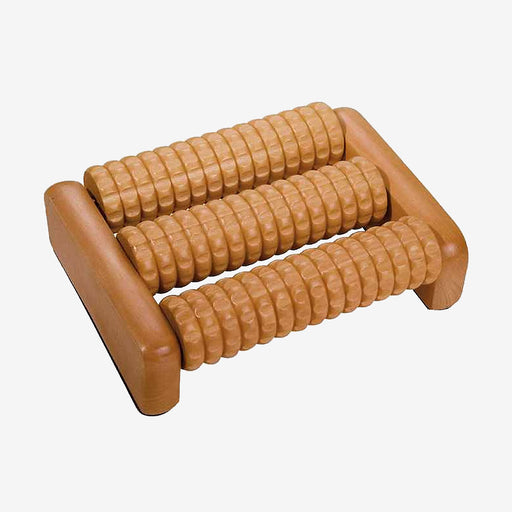
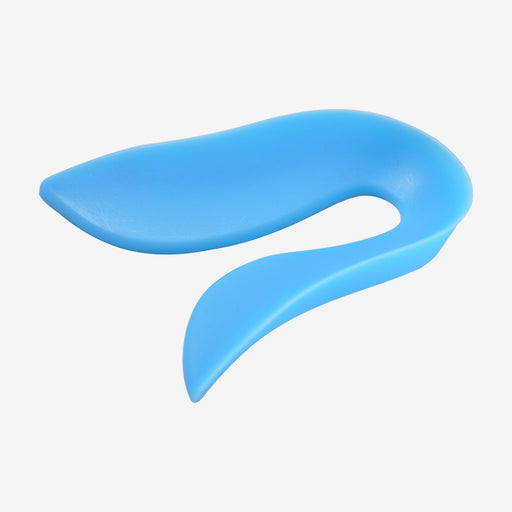
Our Plantar Fasciitis collection is the broadest of the heel-related ranges and includes supportive insoles, heel cups, arch supports, foot rollers, massage products, exercise aids and supportive footwear.
Consider plantar fasciitis if:
- Pain is underneath the heel or around the arch
- Your first few steps in the morning are particularly painful
- Pain returns after sitting for a long time
- Prolonged standing, walking or running aggravates symptoms
Heel Spurs
A heel spur is a bony protrusion that forms from the heel bone, usually around the underside of the heel.
Heel spurs are often associated with plantar heel pain, but importantly, having a heel spur does not necessarily mean that it is causing the pain. Many people have heel spurs without experiencing any symptoms.
Due to this reason, products cannot remove the spur itself. Instead, our Heel Spur collection focuses on reducing pressure and improving comfort through heel cups, cushioning pads, supportive insoles, orthotic inserts and other products that help manage the surrounding heel area.
Heel-spur-related products may be useful if:
- A heel spur has been identified
- You experience pressure or discomfort beneath the heel
- Additional heel cushioning makes walking more comfortable
- Heel pain occurs alongside plantar fasciitis
Stress Fractures
A stress fracture develops when repeated strain on a bone causes a small break to form over time rather than resulting from one sudden injury.
Symptoms tend to be more localised than general heel or arch pain. Pain usually becomes worse when weight is placed through the affected foot and improves with rest, while swelling and tenderness directly over the injured bone may also occur. Foot stress fractures most commonly affect the metatarsals, although other bones of the foot can also be involved.
Our Stress Fractures collection includes cushioning, insoles, metatarsal pads, arch supports and other products that may improve comfort during suitable stages of recovery.
Unlike many other causes of foot discomfort, however, a suspected stress fracture should be professionally assessed. Inserts and cushioning should complement appropriate recovery rather than replace treatment or offloading when this has been recommended.
Consider a stress fracture if:
- Pain began after repeated running, jumping or increased activity
- One specific area of the foot is particularly tender
- Weight-bearing consistently aggravates the pain
- Swelling has developed around the painful area