Common Arch Conditions & Foot Types
Flat Feet & Fallen Arches
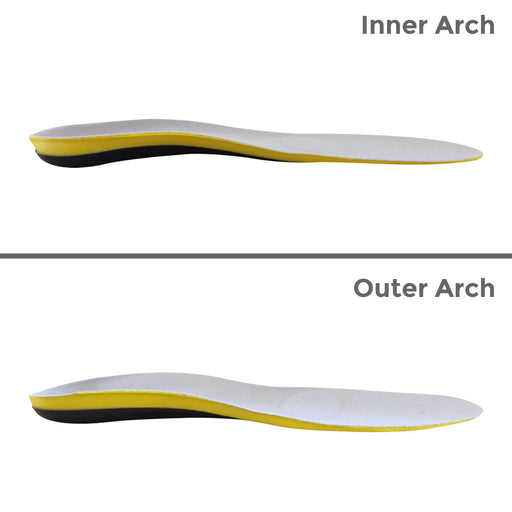
Flat feet describe feet where the inner arch sits low or makes greater contact with the ground while standing.
Many people naturally have low arches without pain. When flat feet are symptomatic, however, they may be associated with aching or fatigue through the arch, discomfort after prolonged standing and a need for additional support inside footwear.
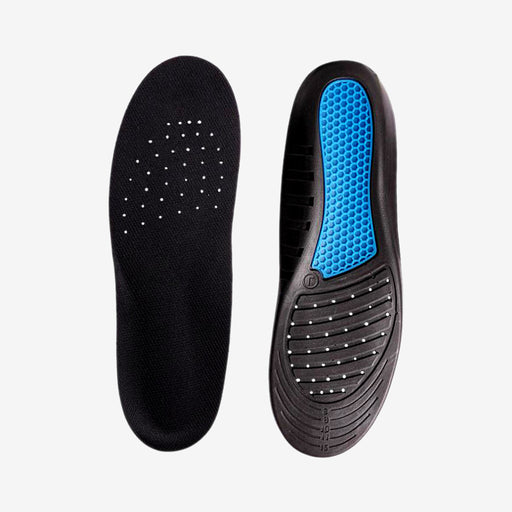
Our Flat Feet collection includes supportive insoles, arch supports, footwear, rollers and exercise products for low or fallen arches.
This collection may be relevant if:
- Your arches appear low or flattened
- Your feet become tired during prolonged standing
- You experience discomfort through the arch
- You want additional support beneath a low arch
High Arches
High arches, also known as pes cavus, describe feet where the arch remains noticeably raised when standing.
A higher arch can reduce the amount of the sole contacting the ground, sometimes concentrating more pressure beneath the heel and forefoot. Some people may also experience general foot fatigue or reduced stability.
Our High Arches collection contains insoles, targeted arch supports, massage products and exercise aids for people needing additional cushioning and support beneath raised arches.
This collection may be relevant if:
- Your arches remain noticeably raised while standing
- Pressure is concentrated beneath the heel or ball of the foot
- Your arches feel tired or uncomfortable
- You want cushioning combined with support for a higher arch
Plantar Fasciitis
Plantar fasciitis is a common cause of pain beneath the heel and arch. It affects the plantar fascia, a strong band of tissue running along the underside of the foot.
A characteristic symptom is discomfort during the first few steps after waking or after a period of rest. The pain may settle as you begin moving before becoming more noticeable again after longer periods of standing or walking.
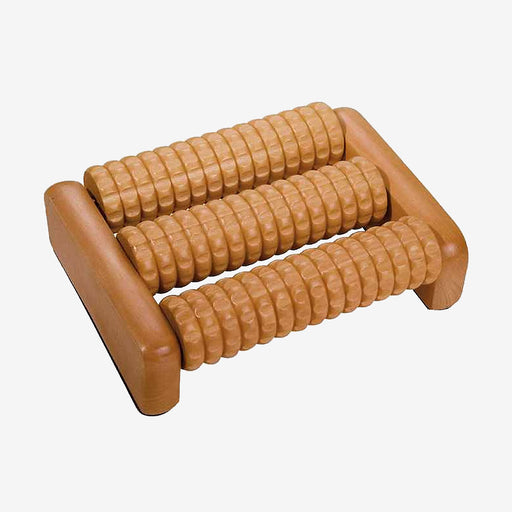
Our Plantar Fasciitis collection includes arch-supporting insoles, heel cups, braces, rollers, massage products, exercise aids and supportive footwear.
This collection may be relevant if:
- Pain is concentrated beneath the heel or arch
- Your first steps after rest are particularly uncomfortable
- Symptoms worsen after prolonged standing or walking
- You are looking for support alongside stretching and rehabilitation
Overpronation
Pronation is a normal inward movement of the foot during walking and running. Overpronation occurs when this inward movement becomes more pronounced.
It commonly occurs alongside low arches, although flat feet and overpronation are not the same thing. Flat feet describe arch shape, whereas overpronation describes how the foot moves.
Our Overpronation collection includes structured insoles, arch supports and other products intended to provide a more stable base beneath feet that roll excessively inwards.
This collection may be relevant if:
- Your feet or ankles noticeably move inwards
- Your arches become lower while weight-bearing
- You experience arch fatigue alongside inward rolling
- You want greater heel and arch stability
Supination & Underpronation
Supination, or underpronation when excessive, describes the opposite movement pattern. More pressure remains towards the outside of the foot rather than moving sufficiently inwards after landing.
It is often associated with higher arches, although high arches do not automatically mean that somebody supinates.
Our Supination collection contains dedicated insoles, orthotic supports and cushioning products aimed at improving pressure distribution and comfort.
This collection may be relevant if:
- Your weight appears concentrated towards the outside of your feet
- Your shoes wear more heavily along their outer edges
- You experience pressure along the outside of the foot
- You have difficulty finding support suited to outward loading