
Does Flat Feet Get Worse With Age?

If you have flat feet, you may be wondering if flat feet gets worse with age – yes it can, but it depends on the cause and the individual.
In this article you’ll learn about what causes flat feet to worsen over time, warning signs and how this can affect the rest of your body.
Why Flat Feet May Worsen Over Time
Here are some common reasons why flat feet may worsen as you get older.
- Posterior Tibial Tendon Dysfunction (PTTD) – The posterior tibial tendon supports your arch and if it weakens or tears over time, the arch can collapse gradually. This is one of the most common reasons flat feet progresses in adults and it’s more common after age 40.
- Natural Aging of Tendons and Ligaments – Tendons lose elasticity as you age and ligaments may stretch out, causing the arch to flatten further.
- Weight Gain – A decrease in activity and increase in weight is common as you get older. This increases strain on the arch and can speed up changes in foot structure.
- Arthritis – Rheumatoid or osteoarthritis in particular can affect the joints in the feet and lead to progressive flattening.
Signs Your Flat Feet Might Be Worsening
If you have flat feet and you notice any of the following symptoms, then it may be a sign that your flat feet is worsening:
- New or increasing arch pain
- Ankle pain on the inside of the foot
- Feet turning outward more
- Difficulty standing or walking long distances
- Shoes wearing down unevenly
If you notice any of these changes, it’s best to have a physical examination with a podiatrist or clinician especially if it’s affecting your day-to-day life.
Our Best Flat Feet Insoles
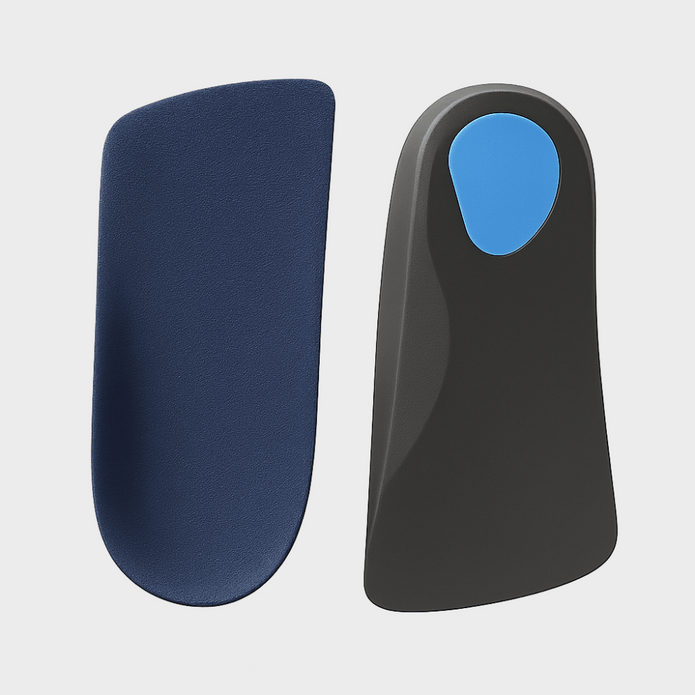
SoleRelief Flat Feet Half Insoles
View Product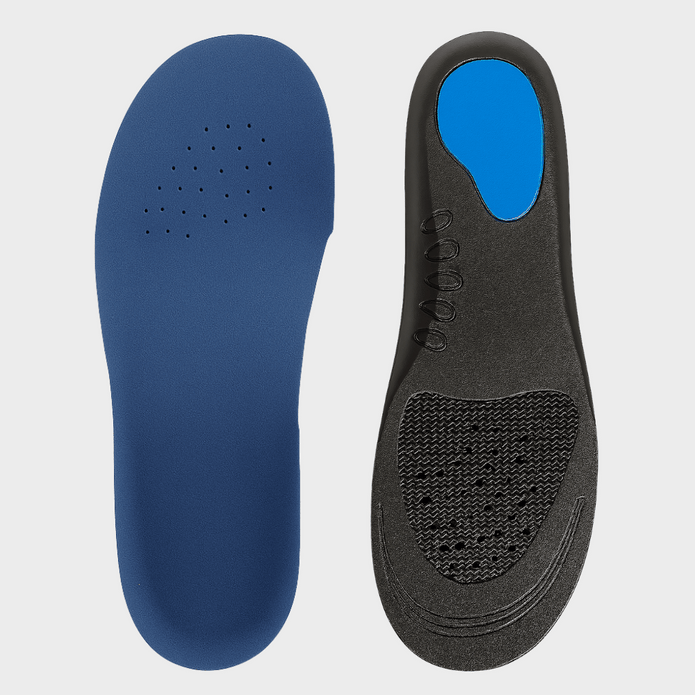
SoleRelief Flat Feet Insoles
View ProductWhen Flat Feet Usually Doesn’t Get Worse
If you’ve had flat feet since childhood and it’s structural (genetic), it often stays stable in adulthood providing that you maintain a healthy physical lifestyle. Many people have lifelong flat feet with no pain or progression.
How Flat Feet Affects the Rest of Your Body
To ensure flat feet doesn’t worsen as you age, it’s important to manage and treat flat feet early on with orthotics, supportive footwear, strengthening/stretching exercises and weight management.
If flat feet worsen over time, it can cause a chain reaction up the body, leading to the following problems:
Knee Problems
When the arch collapses, the foot rolls inward (over-pronation). This makes the knee rotate inward too. The kneecap may track improperly, increasing pressure on certain compartments.
Possible knee issues:
- Patellofemoral pain syndrome (front-of-knee pain)
- Medial knee pain (inside of the knee)
- IT band syndrome
- Increased stress on meniscus or cartilage over time
Hip Problems
Excess inward rotation of the leg causes the hip joint to rotate inward. This changes the way the hip muscles have to stabilise the pelvis.
Possible hip issues:
- Hip impingement symptoms
- Piriformis or gluteal muscle strain
- Sacroiliac joint irritation
- Hip fatigue or aching after standing/walking
Lower Back Problems
Altered foot mechanics change your body’s overall alignment and excess pronation can cause the pelvis to tilt slightly. The lower back muscles compensate to keep you upright.
Possible back issues:
- Lower back muscle strain
- Sciatica-like symptoms (from altered posture, not nerve compression)
- Increased lumbar curve or pelvic tilt
- Chronic low-grade back stiffness
Warning Signs
Here are some signs that your flat feet are affecting your joints:
- Pain increases after long standing or walking
- Knee pain worse when climbing stairs
- Hips feel tight or fatigued
- Lower back aches after activity
- Shoes wear out faster on the inside edge
- Ankles roll inward when you walk
If you notice any of these signs, then you may want to seek help from a professional such a podiatrist (foot specialist), a physical therapist or an orthopaedic specialist (if pain is severe or progressive).


Leave a comment